Adhesive Graphics & Decals
July 19, 2026
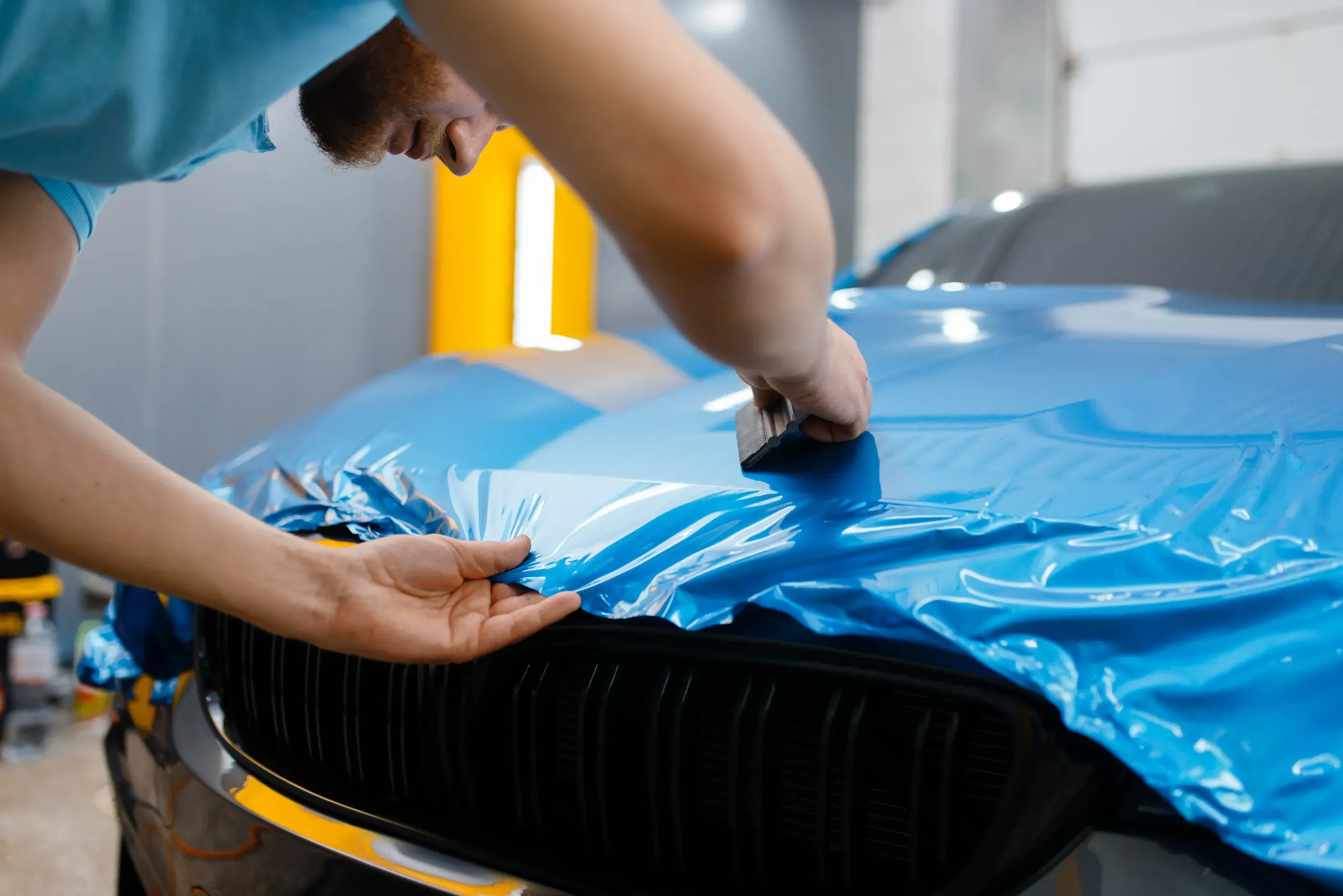
Fleet wrap installation is one of the most cost-effective marketing investments a vehicle-based business can make. A well-installed fleet wrap turns each vehicle into a rolling billboard that generates thousands of daily impressions at essentially zero ongoing cost. A poorly executed fleet wrap installation costs the same as a well-executed one but delivers half the visual impact, fails within a few years, and reflects badly on the brand it was meant to promote.
The gap between excellent and mediocre fleet wrap installations is larger than most business owners realize. Material quality, surface preparation, installer skill, and post-installation care all significantly affect how a wrap looks on day one and how it performs over the next 5 to 7 years.
This guide covers what you actually need to know before investing in fleet wrap installation for your business: real cost breakdowns by vehicle type and wrap coverage, the complete installation process from consultation through completion, the material choices that affect longevity and appearance, and the warranty and maintenance realities most sign shops don't explain upfront.
If you're planning fleet wrap installation for your business vehicles, this guide provides the answers your vehicle graphics provider should be giving you.
Fleet wrap installation is the process of applying vinyl graphics to business vehicles as a coordinated branding program. Unlike single-vehicle wraps, fleet wraps use a consistent design across multiple vehicles to build brand recognition throughout a service area.
Fleet wrap installation projects range from simple vinyl decals with company name and phone number to full wraps covering every panel of a vehicle with custom graphics. The right approach depends on your budget, brand goals, and the vehicles being wrapped.
Fleet wraps differ from other signage in several important ways:
Fleet wraps generate impressions in motion. Unlike storefront signs or building signage that stay in one location, fleet wraps deliver brand impressions everywhere your vehicles travel. A commercial vehicle wrapped and driven daily in the Crystal Lake area typically generates 30,000 to 70,000 daily impressions depending on driving patterns.
Fleet wraps are removable. Well-installed vinyl wraps can be removed without damaging the paint underneath, preserving vehicle resale value and allowing rebrand or updates.
Fleet wraps require coordinated design. Unlike other marketing, fleet wraps must work as a system across multiple vehicles. Each vehicle appears independently but must reinforce the same brand identity.
Fleet wraps have specific installation requirements. Vehicle wraps require installation in a controlled environment, within specific temperature ranges, with thorough surface preparation, and by skilled installers. Corner cutting during installation significantly reduces wrap lifespan and appearance.
Fleet wrap installation costs vary significantly by vehicle size, complexity, and the extent of coverage. Here's what different projects actually cost.
Partial wrap: $1,500 to $2,500 per vehicle Full wrap: $2,500 to $4,500 per vehicle
Compact vehicles require less material but the same installation labor. Cost per vehicle is relatively low, but cost per square foot is higher than larger vehicles.
Partial wrap: $2,000 to $3,500 per vehicle Full wrap: $3,500 to $6,000 per vehicle
Standard vans (Ford Transit Connect, Nissan NV200, Ram ProMaster City) are workhorses for many small businesses. Full wraps deliver excellent impression-per-dollar value.
Partial wrap: $3,000 to $5,000 per vehicle Full wrap: $5,000 to $8,000 per vehicle
Full-size vans (Ford Transit, Mercedes Sprinter, Ram ProMaster) provide the largest wrap canvas among common commercial vehicles. Full wraps on these vehicles generate exceptional impression numbers.
Basic graphics (doors and tailgate): $500 to $1,200 per vehicle Partial wrap: $2,000 to $4,000 per vehicle Full wrap: $4,000 to $7,000 per vehicle
Trucks present challenging surfaces due to compound curves and molded panels. Full truck wraps require skilled installers to execute properly.
Partial wrap: $3,000 to $6,000 per vehicle Full wrap: $5,000 to $12,000 per vehicle
Box trucks provide the largest flat wrap canvas among common commercial vehicles. Their box design makes for exceptional visual impact when properly wrapped.
Trailer graphics: $2,000 to $5,000 per unit; Full trailer wrap: $5,000 to $15,000 per unit
Large trailers offer huge canvas for brand messaging. Wraps on regularly traveling trailers deliver massive impression volume.
Most sign shops offer fleet discount pricing for multi-vehicle projects. Typical discount structures:
3 to 5 vehicles: 5 to 10% discount
6 to 10 vehicles: 10 to 15% discount
11 to 20 vehicles: 15 to 20% discount
20+ vehicles: 20 to 25% discount plus dedicated project management
Understanding what you're paying for helps evaluate quotes and make informed decisions.
Design work ($500 to $3,000+):
Custom design creation
Vehicle-specific templates
Multiple design revisions
Design approval process
Print-ready file preparation
Many sign shops include basic design in wrap pricing. Complex custom design or design across multiple vehicle types often adds cost.
Materials ($800 to $3,500 per vehicle):
Vinyl film (3M or Avery Dennison premium films are industry standards)
Laminate overlay (protects graphics)
Installation supplies
Material quality significantly affects wrap longevity and appearance. Premium cast vinyl outlasts calendered vinyl by years.
Printing ($400 to $2,000 per vehicle):
Large format printing on quality vinyl
Color management and quality control
Contour cutting where needed
Quality printing preserves brand colors accurately and produces sharp graphics that read well from distance.
Installation labor ($800 to $4,000 per vehicle):
Vehicle preparation
Actual wrap application
Post-installation quality check
Installation labor varies significantly by wrap complexity and vehicle size. Full wraps require 8 to 20 hours of skilled installation work.
Vehicle preparation ($100 to $500 per vehicle):
Deep cleaning
Panel gap inspection
Surface conditioning
Removal of any existing graphics
Proper preparation is critical to installation quality. Skipping this step causes long-term problems.
Warranty support (typically included):
Material warranty from manufacturer
Installation warranty from shop
Follow-up inspection
Understanding the complete fleet wrap installation process helps set realistic timeline expectations and prevents surprises.
The vehicle graphics provider assesses:
Number and types of vehicles to wrap
Vehicle condition and paint quality
Existing graphics that need removal
Budget parameters
Timeline requirements
Brand goals and design direction
Consultation typically includes vehicle inspection at your location or the shop.
Design work includes:
Multiple design concepts based on your branding
Vehicle-specific template creation
Design refinement and revisions
Client review and approval process
Final design lock and file preparation
For businesses without an established brand identity, graphic and logo design may be needed before wrap design can proceed.
Print production includes:
Color matching and calibration
Print runs on premium vinyl
Quality inspection
Contour cutting where needed
Laminate application
Final quality control
Rush production is possible but typically involves premium pricing.
Fleet wrap installation requires the vehicle to be at the shop for the duration of the installation. Coordinating this across a fleet requires:
Rotation planning to maintain business operations
Vehicle drop-off and pickup coordination
Rental or backup vehicle arrangements if needed
Confirmation of insurance during shop custody
Most fleet installations schedule 1 to 3 vehicles per day per installer.
Actual installation includes:
Deep vehicle cleaning
Panel preparation
Wrap application
Detail work around door handles, mirrors, seams
Quality inspection
Photo documentation
Installation quality is heavily dependent on installer skill. Certified 3M or Avery Dennison installers deliver consistently better results than uncertified applicators.
Post-installation:
Client walk-through inspection
Care instruction documentation
Warranty documentation
Photo library for future reference
Vehicle return
Single vehicle: 3 to 6 weeks from initial consultation to delivered wrapped vehicle.
Small fleet (3 to 5 vehicles): 6 to 10 weeks total, with vehicles rotating through installation.
Medium fleet (6 to 15 vehicles): 10 to 16 weeks total.
Large fleet (15+ vehicles): 16 to 24 weeks total with rotation scheduling.
Material choice significantly affects the quality, appearance, and longevity of fleet wrap installations.
Cast vinyl (3M IJ180, Avery Dennison MPI 1105):
Premium tier material
5 to 7 year outdoor durability
Superior conformability to compound curves
Best color reproduction
Higher initial cost
Calendered vinyl (3M IJ35, Avery Dennison MPI 3000):
Mid-tier material
2 to 5 year outdoor durability
Less conformable to complex shapes
Adequate color reproduction
Lower initial cost
For fleet wrap installation on business vehicles, cast vinyl almost always delivers better long-term value despite higher upfront cost. The lifespan difference more than justifies the material cost difference.
Laminate overlay is a clear film applied over printed vinyl that protects the graphics from UV, chemicals, and abrasion.
Gloss laminate: Highest visual impact, easiest cleaning, most common choice.
Matte laminate: Distinctive appearance, better hiding of scratches, growing in popularity.
Satin laminate: Middle ground between gloss and matte, less common.
Textured laminates (carbon fiber, brushed metal): Specialty appearances for specific brand aesthetics.
Quality laminate is essential for outdoor fleet wrap installation. Skipping laminate to reduce cost causes graphics to fade and degrade significantly faster.
Modern fleet wrap adhesives are engineered for specific applications.
Air release adhesive: Includes microscopic channels that allow air to escape during installation, preventing bubbles.
Standard permanent adhesive: Simpler adhesive system, less forgiving during installation.
Removable adhesive: Designed for temporary applications or vehicles that will be de-wrapped without difficulty.
For business fleet applications, permanent air release adhesives paired with cast vinyl deliver optimal results.
Great fleet wrap designs follow specific principles. Weak fleet wraps violate them.
The primary purpose of fleet wraps is delivering brand impressions to moving observers. Design must be readable from distance and at speed.
Font selection: Clean sans-serif fonts (Helvetica, Futura, Proxima Nova) work best. Ornate fonts fail at distance.
Font sizing: Business name should be readable from a minimum of 100 feet. Contact information (phone, website) should be readable from 30 to 50 feet.
Color contrast: High contrast between text and background dramatically improves readability. Low-contrast designs look sophisticated in mockups but fail on the road.
Effective fleet wraps communicate one primary message clearly with limited secondary information.
Primary: Business name (largest, most prominent).
Secondary: Primary service, phone number, or website.
Tertiary (if space allows): Additional contact info, tagline, or key differentiator.
What to avoid: Multiple phone numbers, addresses, websites, service lists, and taglines all competing for attention.
Fleet wraps must reinforce brand identity consistently across every vehicle. This requires:
Exact same logo files on every vehicle
Consistent color values (Pantone matched across all wraps)
Same typography treatment
Same design system with appropriate variations per vehicle type
Businesses without a documented brand style guide often benefit from developing one before proceeding with fleet wrap installation.
Different vehicle types require adapted designs.
Vans: Excellent canvas for large graphics and detailed messaging.
Trucks: Design must work around beds, tailgates, and equipment. Focus on high-impact areas.
Sedans: A more limited canvas requires a simplified design.
Trailers: Massive canvas allows detailed graphics but requires visibility considerations.
Certain design decisions consistently hurt fleet wrap effectiveness.
Too much text competing for attention
Fonts too small for driving speed viewing
Colors that clash with vehicle color
Photography that doesn't reproduce well at wrap size
Complex illustrations that lose impact in motion
Missing crucial information (phone, website)
Inconsistent design across fleet vehicles
Understanding fleet wrap warranty realities prevents disappointment and helps you evaluate different providers.
Vinyl manufacturers (3M, Avery Dennison) provide material warranties covering defects.
Typical material warranty coverage:
3 to 5 years for standard vertical applications
5 to 7 years for premium cast vinyl on vertical applications
2 to 3 years for horizontal applications (hoods, roofs)
Reduced warranty for southern climates with extreme UV
Material warranties cover manufacturing defects, not damage, wear, or improper installation. Understanding what's covered vs excluded prevents warranty disputes later.
Sign shops typically provide installation warranties covering workmanship.
Typical installation warranty coverage:
1 to 5 years on installation workmanship
Coverage of edges lifting, bubbling, or peeling
Coverage of premature failure due to installation issues
Excluded: damage from washing, scratches, environmental extremes
Better shops offer longer installation warranties. This often correlates with installation quality.
Well-installed fleet wraps using premium materials typically last:
3 to 5 years: Standard expectation for business fleet wraps in normal conditions
5 to 7 years: Premium materials with proper installation and care
7+ years: Exceptional circumstances (garage-kept, careful washing, minimal exposure)
Actual life varies with climate, garage vs. outdoor parking, washing practices, and installation quality.
Even after warranty expiration, fleet wraps continue to function. Common post-warranty considerations:
Fading typically becomes noticeable at 4 to 6 years
Edges may begin lifting at 5 to 7 years
Colors may shift slightly over time
Individual panel replacement possible for damage
Proper maintenance extends the life of fleet wrap installations and preserves their appearance.
Recommended: Handwashing with mild automotive soap and a soft cloth.
Acceptable: Touchless car washes with mild detergents.
Avoid: Brush car washes, high-pressure spray directly at wrap edges, harsh chemical cleaners.
Frequency: Weekly to bi-weekly washing preserves color and appearance.
Ideal: Garage parking when not in use.
Acceptable: Covered parking or shade parking.
Challenging: Constant direct sun exposure, especially in hot climates.
Extreme temperature swings and prolonged direct sun accelerate wrap aging.
Small damage (scratches, scuffs, chips) can often be repaired by patching the damaged area rather than replacing the entire wrap. Repair costs typically $200 to $800 per panel depending on complexity.
Fleet wraps typically warrant replacement when:
Fading becomes noticeable and unprofessional
Multiple panels have edge lifting or bubbling
Vehicle is being rebranded
Wrap age exceeds 5 to 7 years
Multiple repairs have been performed
Complete rewrap using new materials is often more cost-effective than extensive repairs.
Understanding actual ROI helps justify the investment in fleet wrap installation.
A typical business vehicle in the Crystal Lake area generates approximately:
30,000 to 70,000 daily impressions depending on route
8 to 20 million annual impressions
40 to 100 million impressions over a 5-year wrap life
Comparable impression volumes through digital advertising, radio, or print would cost $50,000 to $150,000 or more.
Fleet wraps typically deliver:
5 to 15% increase in inbound calls attributed to vehicle visibility
Improved recognition in service areas
Higher perceived professionalism than unwrapped vehicles
Increased brand recall in target market
Results vary significantly by industry, wrap quality, and service area, but well-executed fleet wraps consistently deliver strong ROI.
Fleet wrap costs work out to:
$0.001 to $0.003 per impression over wrap lifetime
Substantially lower than digital, print, or broadcast advertising
Delivered to local geographic audience
No ongoing media costs
For most local service businesses, fleet wrap installation offers the lowest cost per impression of any marketing channel.
Certain patterns lead to poor outcomes and premature failure.
Choosing lowest bid over quality. The difference between quality and mediocre fleet wrap installation is often less than 20% of total cost. Cheap wraps fail faster and represent your brand poorly.
Skipping laminate to save money. Unlaminated wraps fade significantly faster and cost more in the long run.
Using calendared vinyl on vehicles that will be kept long-term. The additional cost of cast vinyl is easily justified over 5+ years of vehicle ownership.
Inadequate surface preparation. Cutting corners on cleaning and preparation causes premature edge lifting and adhesive failure.
Choosing installers without certification. 3M- and Avery Dennison-certified installers deliver consistently better results than uncertified applicators.
Poor design that doesn't work at speed. Beautiful designs that don't read at driving distances don't deliver marketing value.
Neglecting maintenance instructions. Improper washing dramatically shortens wrap life.
Skipping fleet consistency planning. Wraps that don't work as a system across vehicles undermine the brand impact.
Not all sign shops deliver the same quality in fleet wrap installation. Key evaluation criteria:
Certification. Look for 3M Certified or Avery Dennison Certified installers. Certifications indicate documented training and skill validation.
Portfolio. Review actual wrap installations, ideally on vehicles similar to yours.
Materials. Confirm the shop uses premium cast vinyl and quality laminates. Discount materials indicate discount quality.
Installation environment. Fleet wrap installation requires controlled temperature and humidity. Verify the shop has appropriate installation facilities.
Design capability. Strong design capability enables better wrap designs that deliver greater marketing value.
Warranty offering. Longer installation warranties correlate with installation quality confidence.
Local knowledge. Local shops understand regional climate considerations and can provide better ongoing service.
References. Talk to current fleet wrap customers about their experience and results.
How long does fleet wrap installation take?
Individual vehicle installation takes 1 to 3 days, depending on the wrap's complexity. Fleet projects span 6 to 24 weeks total depending on fleet size, with vehicles rotating through installation to maintain business operations.
How much does fleet wrap installation cost?
Fleet wrap installation costs $1,500 to $12,000+ per vehicle depending on vehicle size, wrap coverage, and complexity. Full-size van full wraps typically run $5,000 to $8,000. Fleet discount pricing applies to multi-vehicle projects.
How long do fleet wraps last?
Well-installed fleet wraps using premium materials last 5 to 7 years. Standard materials or challenging conditions may reduce life to 3 to 5 years. Proper maintenance extends life.
Can fleet wraps be removed without damaging paint?
Yes, when properly installed on undamaged factory paint. Removal takes 4 to 8 hours per vehicle and requires heat and skilled technique. Older paint or paint with existing damage may lift with wrap removal.
Do I need to garage-park wrapped vehicles?
Not required but recommended. Garage parking significantly extends wrap life. Constant direct sun exposure accelerates fading.
How should I wash a wrapped vehicle?
Hand wash with mild automotive soap and a soft cloth. Touchless car washes are acceptable. Avoid brush washes, high-pressure spray directly at wrap edges, and harsh chemical cleaners.
Can individual panels be replaced if damaged?
Yes. Small damage can typically be repaired by patching specific panels rather than replacing the entire wrap. Panel replacement costs $200 to $800 per panel.
What's the difference between cast vinyl and calendered vinyl?
Cast vinyl (premium) offers 5 to 7 year durability, superior conformability, and better color reproduction. Calendered vinyl (mid-tier) offers 2- to 5-year durability at a lower cost. Cast vinyl delivers better long-term value for fleet applications.
Can new vehicles be wrapped immediately?
New vehicles should wait 30 to 60 days after purchase before wrapping to allow paint to fully cure. Fresh paint (repainted panels) requires 90+ days before wrapping.
Are fleet wraps tax deductible?
Fleet wrap installation typically qualifies as advertising expense and is fully tax-deductible for business vehicles. Consult your accountant for specific application to your business.
How do fleet wraps compare to painted vehicles for branding?
Fleet wraps offer full-color graphics, complex designs, and removability that painted vehicles cannot match. Wraps also cost significantly less than custom paint. Painted vehicles offer longer life but limited design flexibility.
Can I wrap leased vehicles?
Yes, and this is common. Removable installation preserves the vehicle for lease return. Confirm lease terms allow wrapping (most do) and factor removal into total cost.
How much do fleet wrap graphics affect vehicle resale value?
Properly installed wraps, when professionally removed, have minimal impact on resale value. Damaged wraps or poor removal can affect resale. Well-maintained vehicles with quality wraps often sell easily.
Do I need multiple designs for different vehicle types?
Yes. Effective fleet wrap design adapts a consistent visual system to different vehicle canvases. Sedans, vans, trucks, and box trucks each require adapted layouts while maintaining brand consistency.
How soon after fleet wrap installation can I drive the vehicle?
Vehicles can be driven immediately after installation. Wraps benefit from 24 to 48 hours of dry weather before car washing to allow full adhesive bonding.
Fleet wrap installation is a significant investment that pays dividends for years when executed properly. The key decisions:
Set a realistic budget based on fleet size and vehicle types
Develop a consistent design that reinforces your brand
Choose quality materials (cast vinyl with premium laminate)
Work with certified installers who use proper facilities
Plan installation logistics to minimize business disruption
Follow proper maintenance to maximize wrap life
Plan for eventual replacement at the 5- to 7-year mark
The businesses that get exceptional value from fleet wrap installation invest appropriately in materials, design, and installer selection. The businesses that end up disappointed almost always cut corners on one of these three areas.
AlphaGraphics Crystal Lake provides fleet wrap installation, vehicle graphics, and complete signage services for businesses throughout McHenry County and the greater Chicago area. Our team handles the complete process from initial branding and design through material selection, printing, and professional installation.
We use premium 3M and Avery Dennison materials and provide comprehensive warranties on our installation work. Whether you have one commercial vehicle or a fleet of 50, we deliver consistent quality that represents your brand professionally.
If you're planning fleet wrap installation for your business vehicles, we offer complimentary consultations to review your fleet, discuss design direction, and provide realistic cost estimates.
AlphaGraphics Crystal Lake, 6294 Northwest Hwy (Rt 14), Crystal Lake, IL 60014. Call us at 815-444-9971 Monday through Friday, 8:00 AM to 5:00 PM
Get a quote, send a file, or contact us to discuss your fleet wrap installation project.
AlphaGraphics Crystal Lake. Locally owned print, signage, and marketing solutions serving Crystal Lake, McHenry County, and the greater Chicago area.