
Print Production & Setup
March 21, 2018
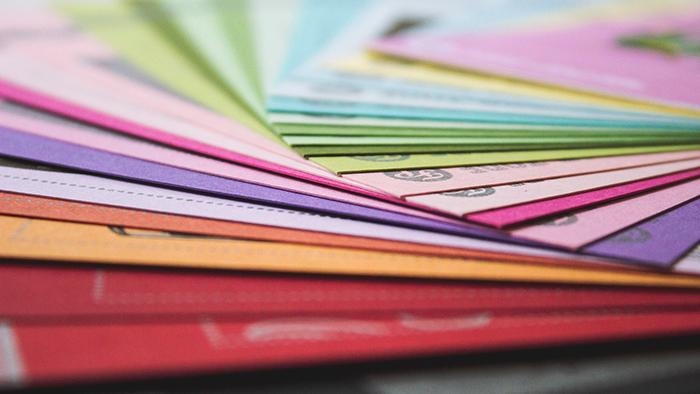
Paper is a 3D medium that can be touched and felt. It provides tactile feedback and can silently convey a wide variety of messages, meanings, and feelings.
The texture, look, and feel of a piece of paper can make or break the overall project. This effect is magnified ten-fold when there is an absence of color in the project. It comes down to just the design and the finish.
While there are many different types of paper that can be printed on, we’re going to focus on the process of choosing the right one for your project.
When you begin a project, there are a few factors that you should take into consideration when it comes to choosing a paper type:
The next step in the paper selection process is determining if you want to go with coated or uncoated paper. Coated has a surface sealant applied to it at the time of manufacture. This gives it a flat, smooth surface that restricts ink from being absorbed into it. The end result is sharp printing (images especially). The inks also have a glossier appearance.
A coated paper also comes in 3 different finishes:
Uncoated is a type of paper that has not been coated with surface sealants. It has a rough look and feel to it and will absorb more ink than coated. Uncoated paper is very similar to newspapers or stationary letters. Due to its ink absorption properties, it’s ideal for writing on.
Brightness refers to the amount of light that is reflected off the surface. It’s usually on a scale of 1 to 100 (1 being the dullest and 100 being the brightest). The average piece of paper will reflect anywhere from 60 to 90 percent of light. The brightness can affect the readability, contrast, and individual perception of the color of the ink.
Opacity is how much light is able to pass through an individual sheet of paper. If a piece of paper has 100 percent opacity, it means that zero light will pass through it. Varying the levels of opacity will result in more or less printing being able to be seen on the flip side of a sheet that’s been printed.
Finally, the weight of a paper will need to be taken into consideration. The weight is a measurement of how thick a piece of paper is. Weight is expressed in pounds and points. The general rule of thumb is that the higher the weight of a piece of paper, the thicker it will be.
Paperweight can be somewhat complicated and if you’re looking to make a certain impact or impression, it’s best to ask the experts at AlphaGraphics for their opinion on which weight and points would work best for what you’re trying to achieve.
To learn more about how AlphaGraphics of Downtown Raleigh can produce and design your next project, you may email us, request a quote or call us at (919) 832-2828. We are your local custom printing company in Raleigh, NC.