Trade Shows & Events
January 22, 2026
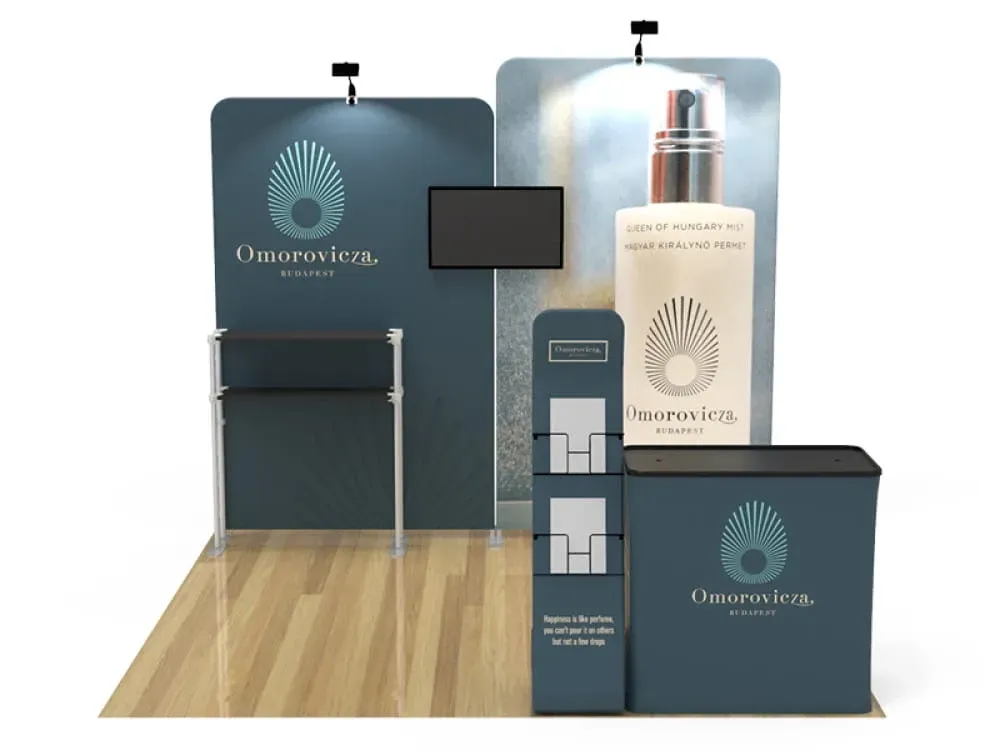
Trade shows can be amazing… or they can feel like you stood on concrete for eight hours and collected a bowl of business cards from people who will never email you back.
The difference usually isn’t “bigger booth” or “more swag.”
It’s this: a booth that’s built to do one clear job (get calls, book meetings, capture leads, or drive foot traffic) — and has the right print pieces to support that job.
This guide is a practical, no-fluff checklist you can use whether you’re exhibiting in Brentwood, Franklin, Nashville, or anywhere you travel for events.
Free download: Grab our printable “Trade Show Booth Checklist” at the end of this post.
Before you design anything, decide your primary outcome:
Book meetings/demos
Get quote requests
Drive phone calls
Drive foot traffic
Recruit/hiring
Brand awareness (only works when the message is razor sharp)
If you don’t choose, your booth will try to do everything… and do nothing well.
From 10–15 feet away, can someone answer:
Who are you?
What do you do?
What should I do next?
If not, simplify.
A booth that converts has three layers of communication:
This is your back wall and/or retractable banner — it should communicate your core message fast.
Best options:
Backwall / backdrop (fabric wall, pop-up, or SEG-style)
Retractable banner (aisle-facing “stop sign” that’s easy to move)
What to say on Layer 1:
1 headline (not a paragraph)
1 offer or outcome
1 CTA (scan, book, call)
Design tip: If your backwall contains your full service list, it’s doing the wrong job.
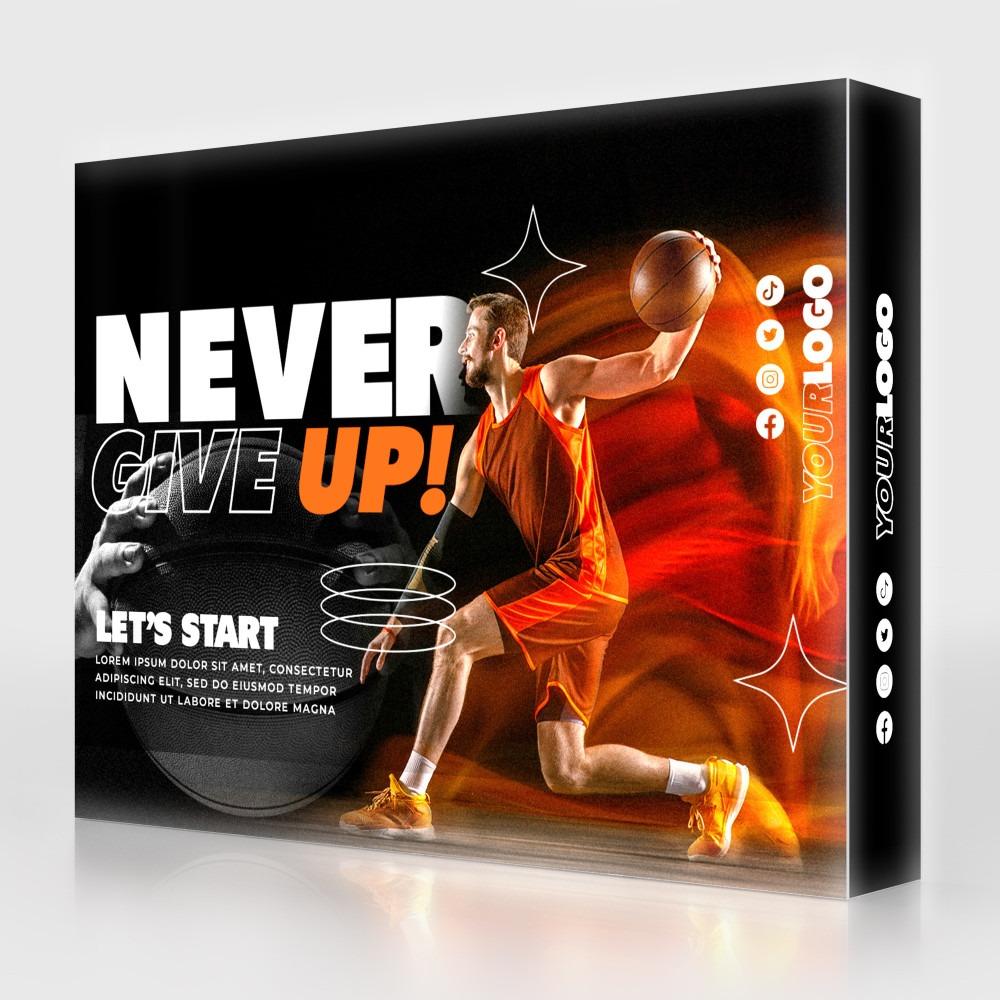
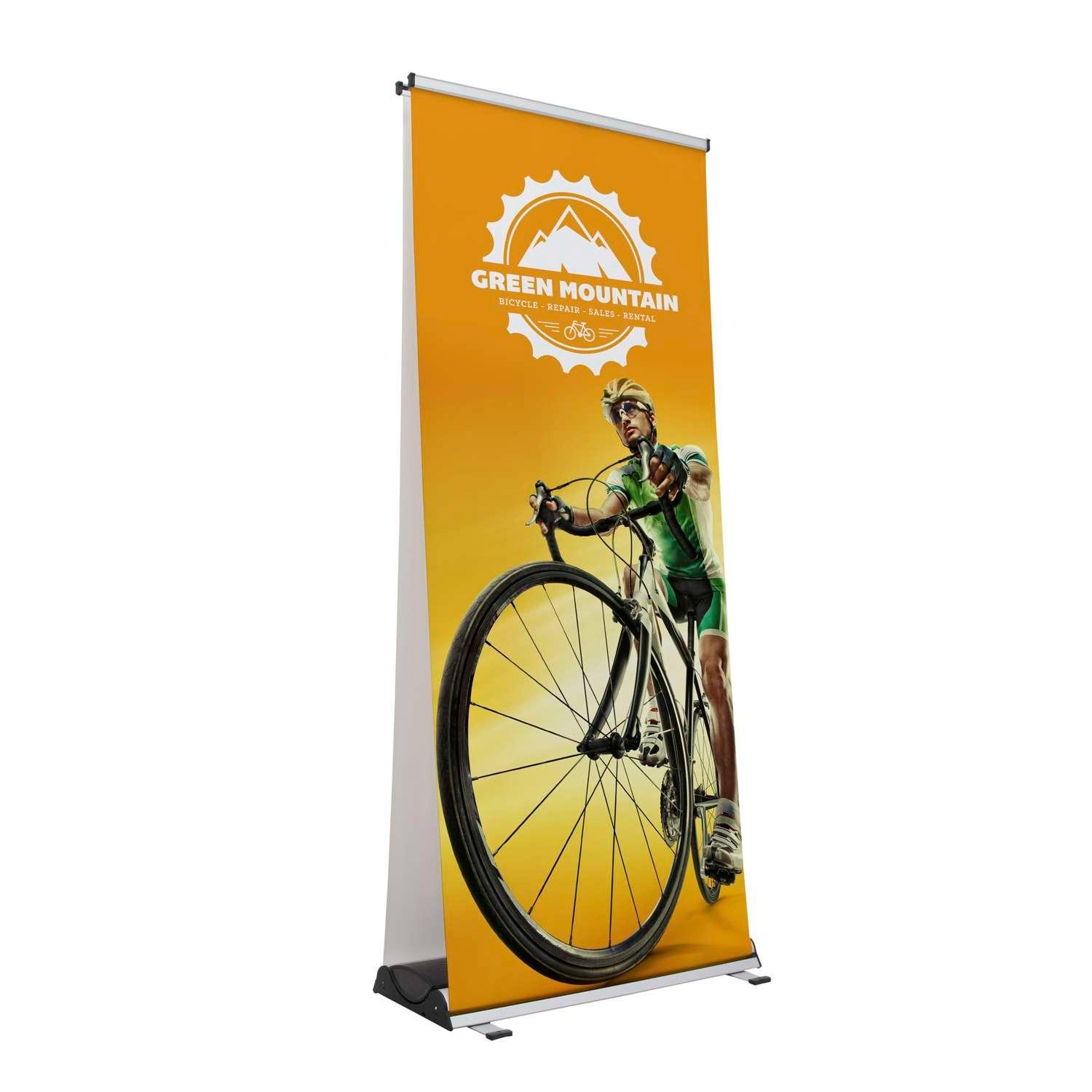
Example 1: 10ft SEG Backlit Popup Display Example 2: Retractable Banner
This is your table area — it should make you look credible and organized.
Must-have:
Table throw (fits your table size; choose open-back if you need storage access)
Tabletop sign (your CTA + QR)
Literature rack (optional but powerful — keeps the table clean)
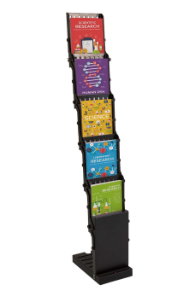
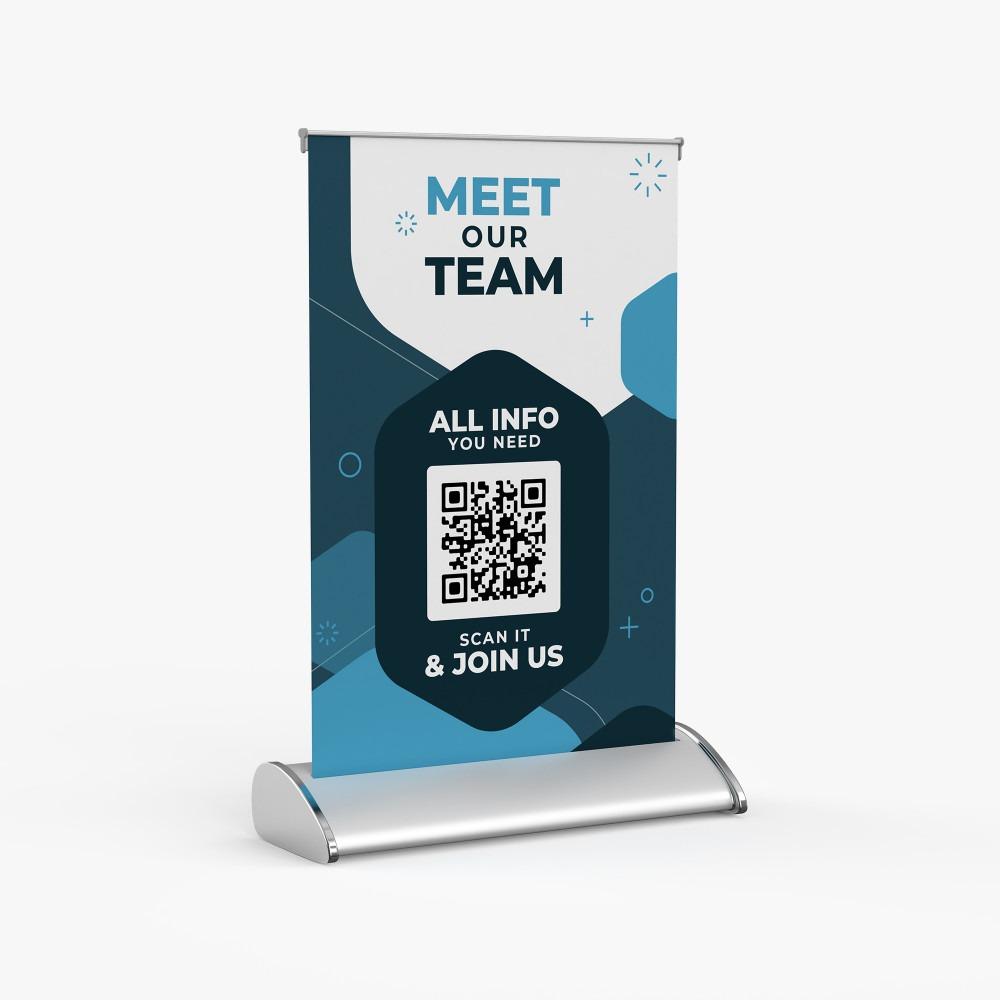
Example 3: Easy View Literature Display Example 4: Table Top Banner Stand
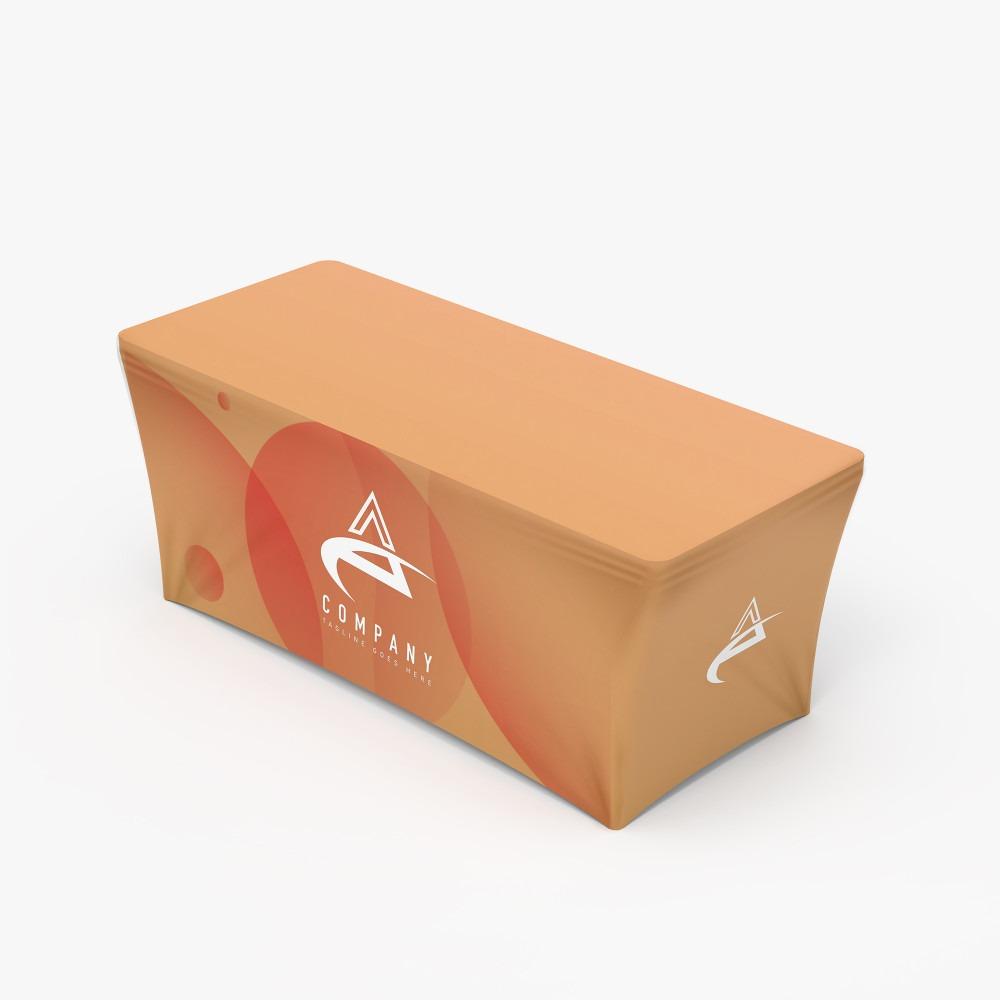
Example 5: Stretch Table Cover
This is where leads are won or lost.
Better than a brochure most of the time:
One-sheet (what you do, who it’s for, 3 proof points, CTA)
Case study sheet (one page, one result)
Offer card (limited slots / event-only incentive)
Business card (still matters — but shouldn’t be your only takeaway)
Rule: People don’t want a “company overview.” They want something that helps them decide.
Here’s the reliable baseline kit for most 10×10 booths:
Backwall OR one strong retractable banner
Table throw
Optional: second banner (if you’re in a corner or have two aisle views)
Business cards
One-sheet (must-have)
Brochure (optional if your one-sheet does the job)
Case study sheets (B2B)
Pricing/offer card (retail/service)
QR code that goes to an event landing page
Short form (name, email, and one qualifying question)
Backup paper lead sheet (Wi-Fi fails more than people admit)
This is where most booths waste money: everything points to the homepage.
Instead:
Create one landing page for the event
Put a QR code on your tabletop sign and handouts
Add UTM tracking to the QR link so you can see results in GA4
If calls are important, use a call tracking number (or at least track click-to-call)
When you do this, you stop guessing and start improving each event.
A simple starting point:
Handouts to bring = (meaningful conversations per day) × (show days) × 1.25 buffer
If you’re not sure, a safe range for a typical 10×10 booth is:
One-sheets: 100–250
Brochures: 50–150 (only if truly needed)
Business cards: 200–500
Then you adjust based on what you actually used.
Retractable banner
Table throw
One-sheet + business cards
Tabletop QR sign
Backwall + retractable banner
Table throw
Literature rack
One-sheet + brochure + case study sheet
QR landing page + short lead form
SEG-style backwall (including lit options if you want maximum visibility)
Clean layered messaging
Lighting + premium collateral + dedicated follow-up system
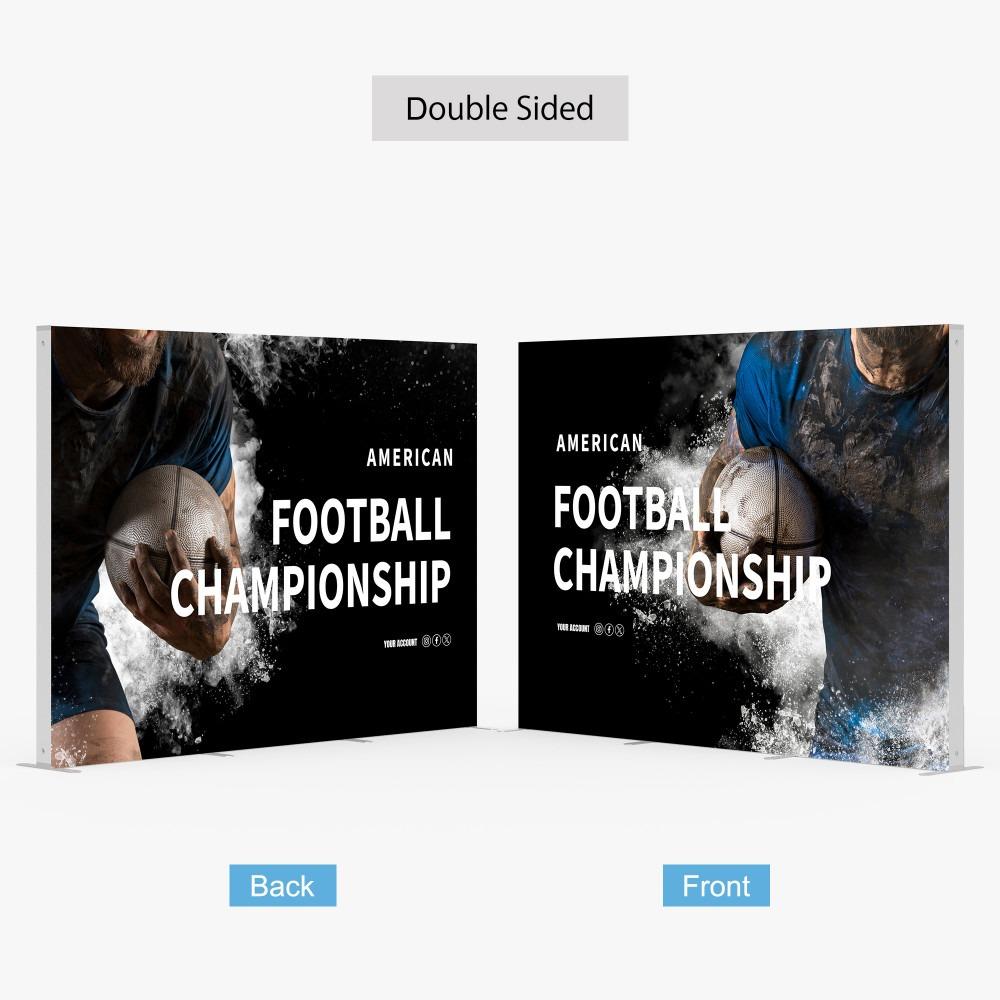
Example 6: 10ft SEG Backlit Fabric Display
Tiny text on backwalls (if it can’t be read from the aisle, it’s decoration)
Too many messages (choose one)
No clear CTA (people will “just look” and walk)
A cluttered table (use a literature rack or keep only 1–2 stacks out)
No tracking (you can’t improve what you can’t measure)
Waiting for people to come to you (stand at the aisle edge, not behind the table)
Want the printable version you can hand to your team (and use for every event)?
Download here: AG_Brentwood_Trade_Show_Checklist.pdf