Apparel & Promo Products
August 24, 2026
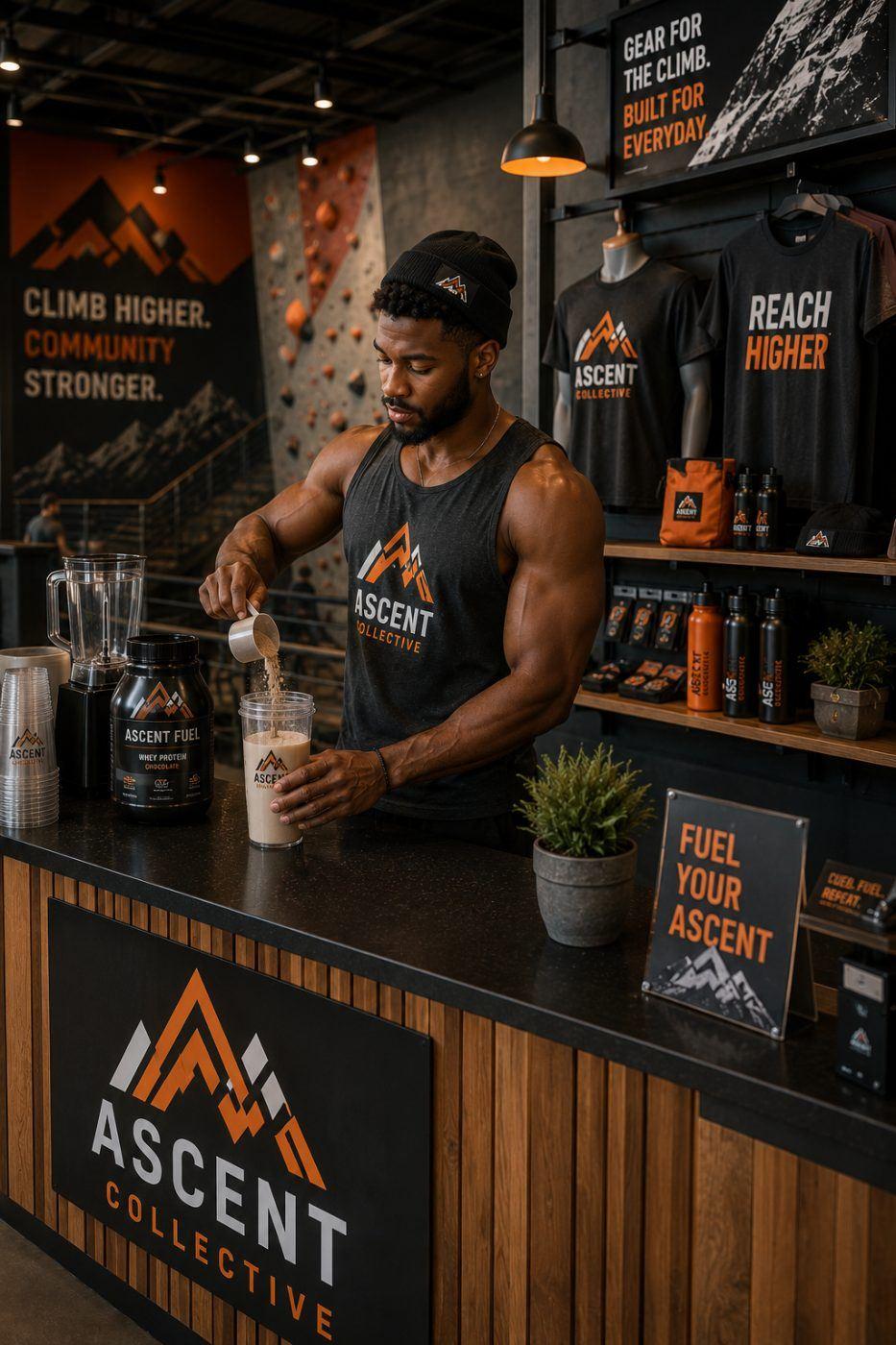
Yes — because people keep them, and remember you. 85% of consumers remember the advertiser who gave them a logoed product. A promotional product is the rare ad someone chooses to keep: it earns a spot on a desk, in a bag, or by the door, and every time it's used it quietly repeats your name.
The failure mode is equally clear, and worth stating first. Most promotional products are wasted, because most of them have no job.
Recall. 85% remember the advertiser — not just the product.
Retention. People keep this stuff about a year on average; outerwear, bags and drinkware last longest, pens and hats the shortest.
Reception. 75% hold a positive opinion of branded merch — a higher share than any other form of advertising, TV and digital included. And 76% say they're more likely to do business with a brand that gave them merch.
Our competitors lead with CPM, and it doesn't hold up. A promo "impression" — how long you keep an item multiplied by the people who see it — isn't the same unit as a logged Meta impression. Run the math anyway and promo (about $6.00 CPM) roughly matches social (about $5.69).
So exposure isn't the reason to do it. Recall, retention, and reception are. That's a better argument and it happens to be true.
78% keep a promotional product because they find it useful — not clever, not beautiful. Useful. That one stat names the failure mode: an item with no job lives in a drawer.
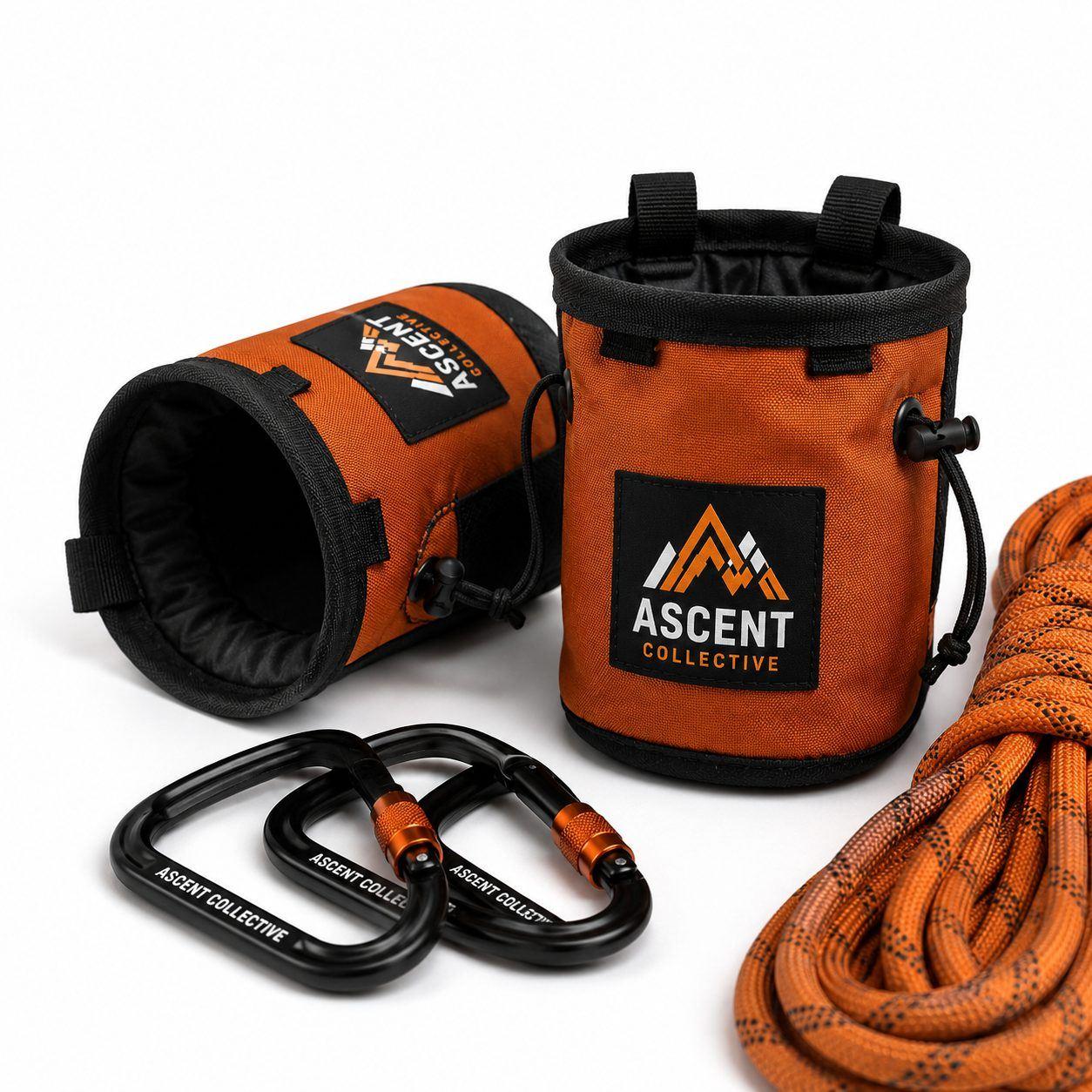
Bags. Best performer, and it isn't close. A tote gets carried into rooms full of people who never met you. If you order one thing, order this.
Outerwear and drinkware. The longest-kept items ASI measures — higher unit cost, but years of useful life, and people choose to be seen with them.
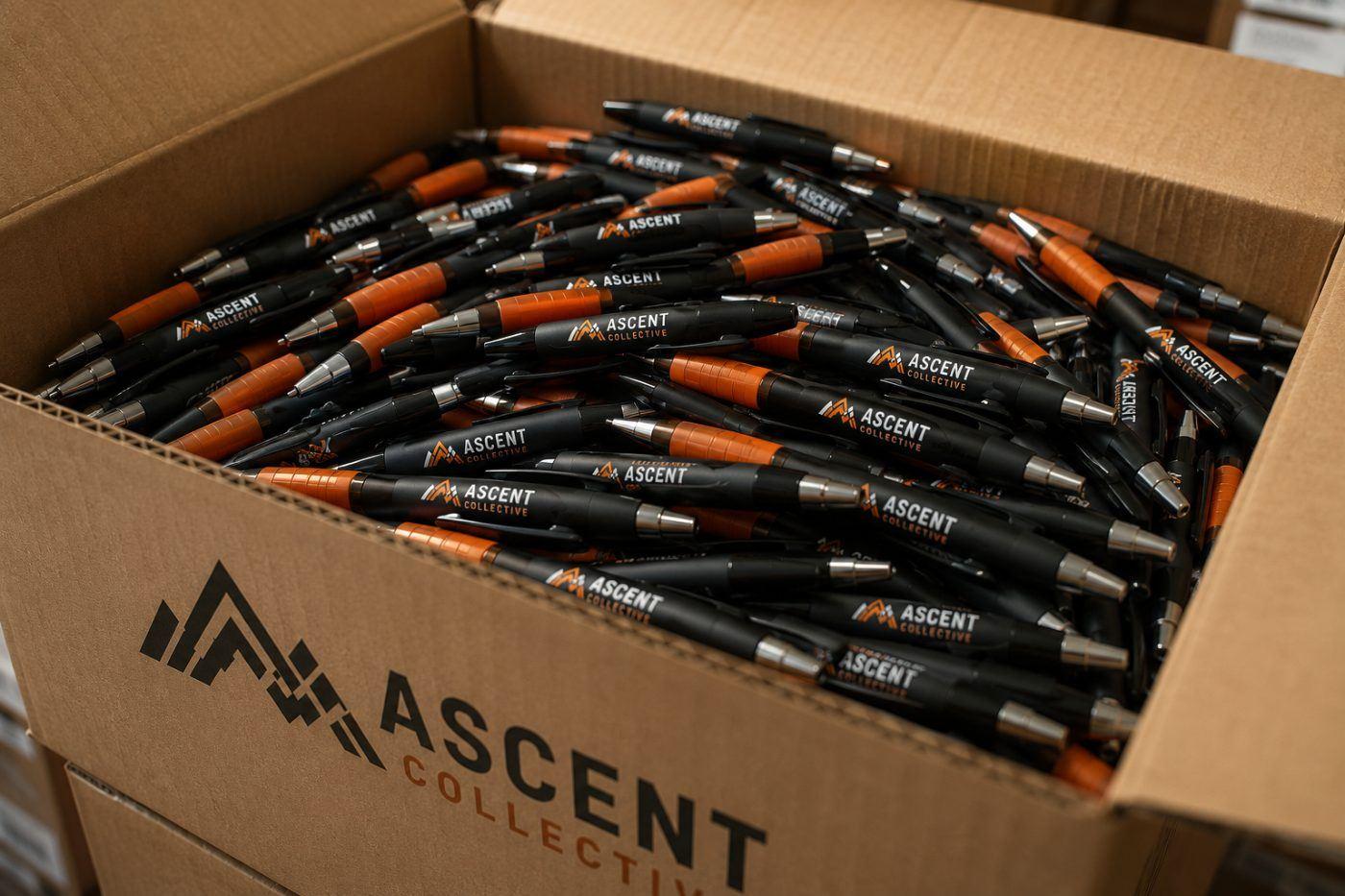
Pens. Useful and low-cost, but among the shortest-kept items. Order them for a trade show floor, not as your one branded thing.
The pattern: the best-performing items are the ones people would have bought anyway.
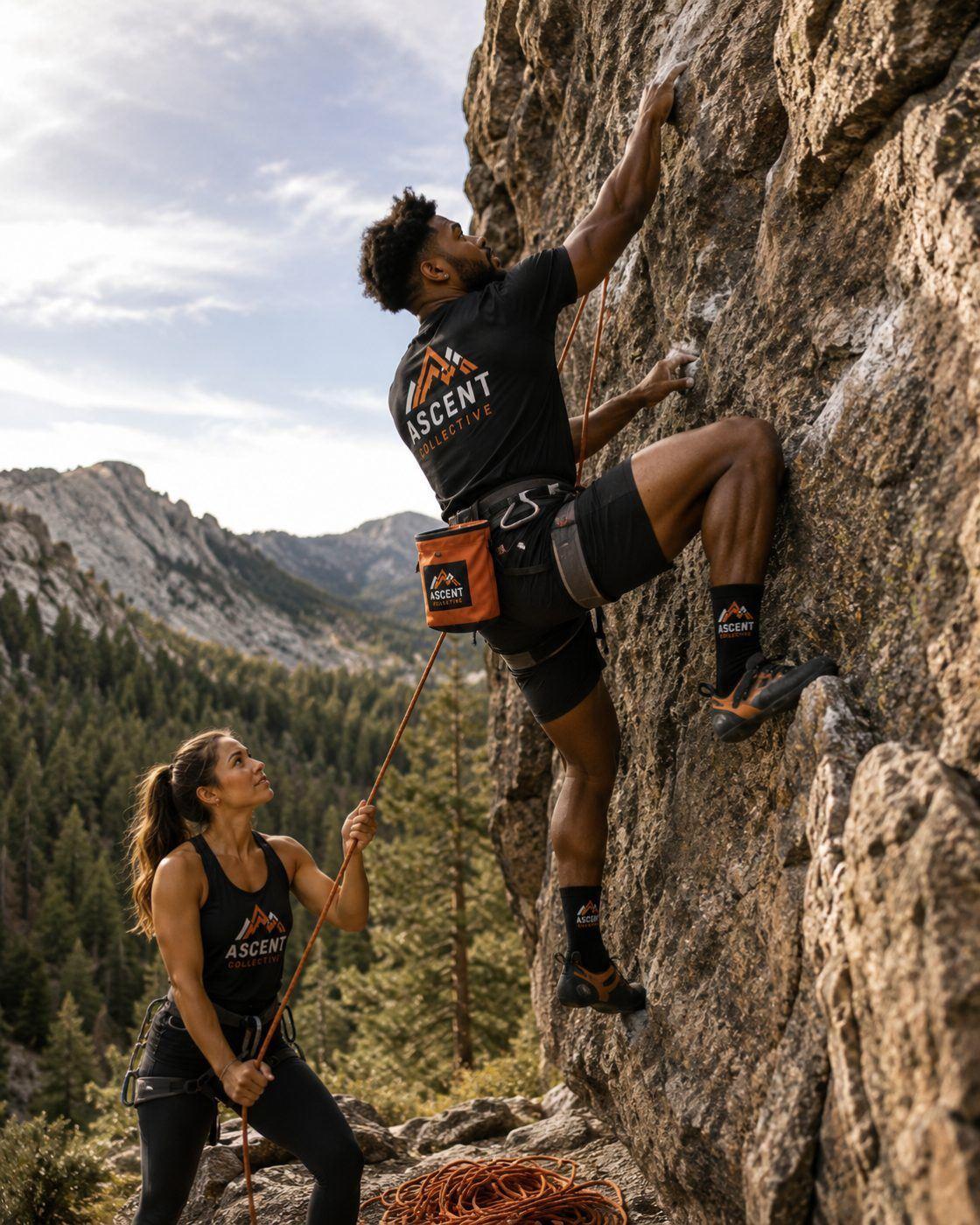
The highest-return branded item for a service business usually isn't a giveaway at all — it's what the crew wears into the customer's home. Embroidered and screen-printed apparel puts your name in front of the client, the neighbors, and every supply house your team walks into, on a garment that gets worn hundreds of times.
Unlike a giveaway, you control whether it's used. That makes it the one promotional category where retention is guaranteed.
Buy fewer, better items.
What decides the return is whether someone reaches for it next Tuesday. A $1 pen used daily beats a $12 gadget nobody understands, so the useful question before any order is simple: what job does this do for the person who takes it home?
Answer that in five words and you have already avoided the mistake that wastes most promotional budgets. It also means a smaller order of something genuinely good outperforms a thousand of something forgettable — for less money.
Branded apparel, drinkware, bags, and promotional products — sourced, decorated, and delivered from Shavano Park. We'll help you pick items your customers will actually use, in quantities that fit the room you're walking into.
About a year on average, per ASI's 2026 impressions study. Outerwear, bags, and drinkware are kept longest because they have ongoing utility; pens and hats are discarded soonest. Retention is the number that matters most, because an item's value is its useful life multiplied by how many people see it in use.
Bags, and it isn't close. A branded tote gets carried into rooms full of people who never met you, which makes it the only common item that actively generates new impressions rather than repeating one. If you order a single branded item, order bags.
Not meaningfully, and anyone claiming otherwise is comparing units that aren't comparable. Run the math and promo lands around $6.00 CPM against roughly $5.69 for social. Exposure is not the reason to do promo — recall, retention, and reception are, and those are where the gap is large.
It varies by item and decoration method. Screen printing and embroidery carry setup costs that make very small runs inefficient per piece, while some drinkware and apparel programs run at low minimums. Tell us the room you're walking into and the budget, and the quantity is usually the easiest variable to solve.
Fewer, better. A forgettable giveaway costs the same to produce and distribute as a good one, so the failure isn't the unit price — it's that nobody reaches for it next Tuesday. A $1 pen used daily beats a $12 gadget nobody understands, and 250 items people keep beats 1,000 that go in a drawer.
Three to four weeks is comfortable for most decorated items, longer for custom apparel runs, embroidery on specialty garments, or anything requiring a pre-production sample. Rush production exists but narrows the item selection considerably, so ordering early buys you options rather than just safety.
Enough for the event plus a modest reserve, not a year's supply. Setup costs push the per-unit price down as quantity rises, which tempts people into ordering thousands of something that then sits in a closet. A smaller run of an item people actually want beats a warehouse of the cheaper alternative, and reordering a proven item is easy.
It varies by item and decoration method. Screen printing and embroidery carry a setup per color or per design, so minimums typically start in the dozens; digitally decorated items can run smaller. If you need a very short run — a handful of client gifts, say — say so up front and the item can be chosen around that constraint.
One clear mark, sized for the object rather than shrunk from a letterhead. Embroidery needs a simplified version because thread cannot hold fine detail; small items often work best with a one-color mark. Restraint reads as confidence — a modest logo on a good product outperforms a large logo on a cheap one.
This is the highest-return branded category for a service business, because unlike a giveaway you control whether it gets used. Embroidered polos or work shirts with a clean chest mark make a two-person operation read as an established company, and the customer sees them for the entire visit rather than for a moment at a booth.
AlphaGraphics San Antonio — Shavano Park serves Shavano Park, Castle Hills, Stone Oak, Helotes, Boerne, New Braunfels, and the surrounding communities from 16101 College Oak Drive. Call (210) 222-0580 or request a quote and we will get you an answer the same business day.