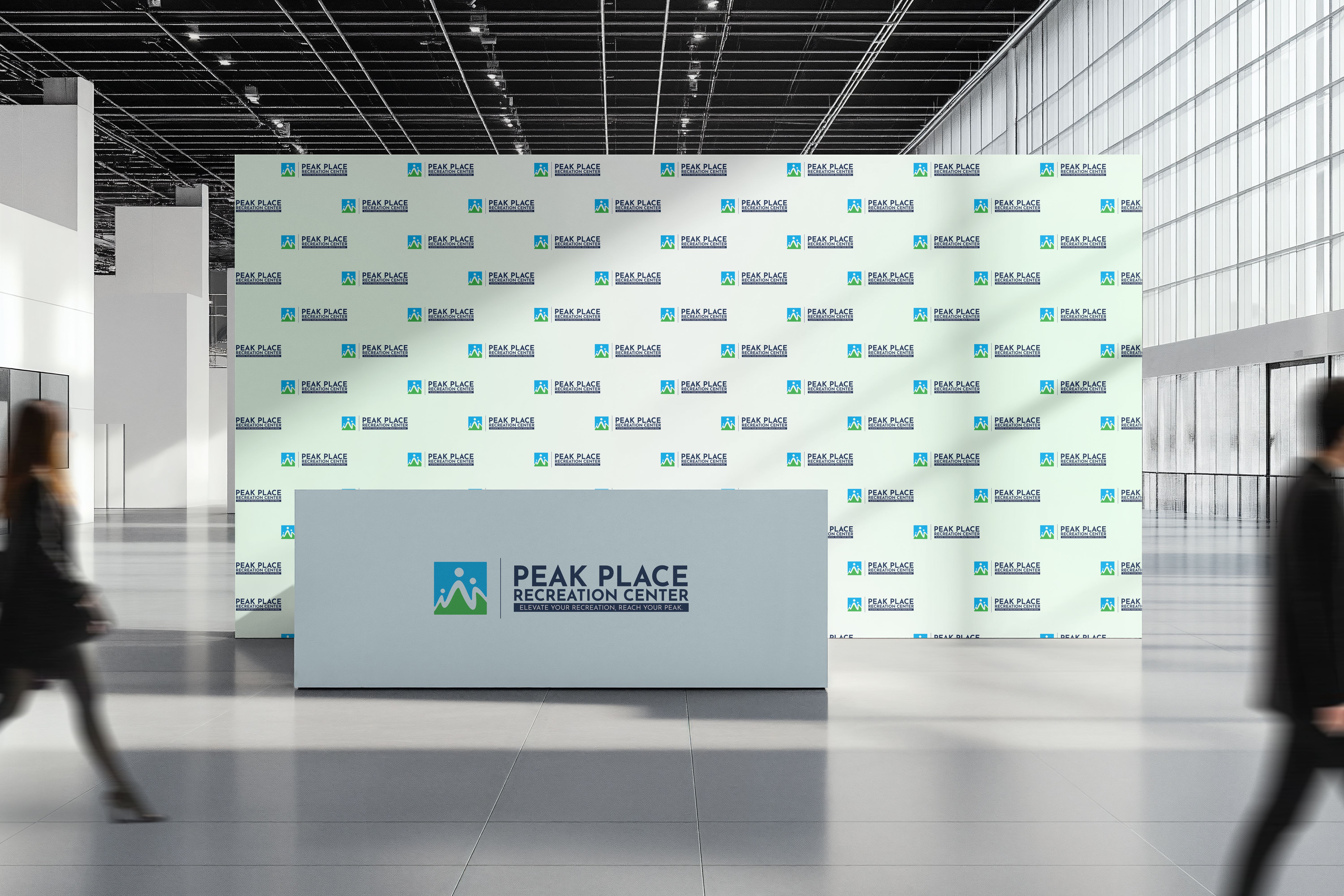
Choosing the wrong backdrop size can turn your polished event into a photo disaster. Too small, and your group shots look cramped. Too large, and you're battling ceiling fixtures, tight load-ins, and budget overruns. Whether you're planning a corporate gala in Buckhead or a trade show activation at the Georgia World Congress Center, getting the dimensions right the first time saves headaches and money.
This guide walks you through a systematic approach to step & repeat sizing atlanta based on guest count, camera distance, venue constraints, and the unique logistics of Atlanta's event spaces. By the end, you'll know exactly what size backdrop fits your venue—and your vision.
Start with People Count, Not Guesswork
The foundation of proper backdrop sizing isn't the wall space available—it's how many people you need to fit in frame. A reliable rule of thumb is 24 inches of width per person when standing shoulder-to-shoulder. This accounts for natural spacing and ensures everyone appears clearly without looking squeezed together.
Here's how common group sizes break down:
- Couples (2-3 people): Need 4-6 feet of backdrop width
- Small groups (3-5 people): Require 6-8 feet of coverage
- Medium groups (5-8 people): Work best with 8-10 feet
- Large groups (9+ people): Demand 10+ feet or modular solutions
Don't forget crop safety. Professional photographers need 6-12 inches of "safe area" beyond where people stand. This buffer prevents logo cutoffs when framing shots and gives flexibility for different camera angles. Factor this padding into your measurements—it's the difference between amateur-looking crops and polished event photography.
Quick Sizing Reference Guide
|
Backdrop Size
|
Best For
|
People in Frame
|
Key Notes
|
|
8×8 ft
|
Couples, small groups
|
2-3
|
Fits most elevators; compact for intimate events
|
|
8×10 ft
|
Small to medium groups
|
3-5
|
Most popular step & repeat atlanta size
|
|
10×10 ft
|
Medium groups
|
4-6
|
Square format; forgiving for various crops
|
|
10×12 ft
|
Larger groups
|
6-8
|
Needs higher ceilings and deeper camera space
|
|
20 ft modular wall
|
Teams, VIP lines
|
8-12+
|
Perfect for conventions; plan queue management
|
Ceiling Height & Camera Distance Considerations
Atlanta venues range from historic lofts with exposed beams to modern hotel ballrooms with drop ceilings. Your backdrop height must clear sprinkler heads, AV equipment, and decorative fixtures by at least 12 inches. Measure the lowest obstruction, not just the ceiling height.
Camera positioning is equally crucial. Photographers should stand 8-12 feet from the backdrop to avoid distortion and ensure even lighting. In cramped spaces, angle the backdrop 10-15 degrees to create the illusion of more depth and reduce harsh shadows. This technique works particularly well in narrow hotel meeting rooms or boutique venue spaces.
For venues with limited depth, consider shorter backdrop heights (6-7 feet instead of 8 feet) to maintain proper proportions. The key is balancing backdrop scale with available camera distance—a massive wall photographed from 4 feet away looks awkward and cramped.
Venue Types Around Atlanta & What Works Best
Hotel Ballrooms (Midtown/Buckhead Area)
Properties like the St. Regis or Four Seasons typically offer 10-12 foot ceilings and carpeted floors. An 8×10 or 10×10 matte fabric backdrop works beautifully here. Bring supplemental lighting since hotel ambient lighting often creates color temperature issues. Standard elevator access accommodates most backdrop frames.
Rooftop Venues and Outdoor Terraces
Wind is your biggest enemy at spots like Ventanas or SkyLounge. Stick with 8×10 backdrops using heavily weighted bases—at least 40 pounds per upright. Consider shorter heights (6-7 feet) to reduce wind resistance. Fabric materials perform better than rigid panels in outdoor conditions.
Historic Venues and Loft Spaces
Places like the Biltmore Ballroom or King Plow Arts Center often have narrow freight paths and quirky dimensions. An 8×8 tension fabric system or sectional pipe-and-base setup navigates tight corners better than large rigid frames. Measure doorways and stair access during your site visit.
Expo Halls (Georgia World Congress Center)
Large convention spaces accommodate 10×10 to 20-foot modular systems beautifully. Plan for queue management with clear sight lines to neighboring booths. ADA compliance requires 36-inch minimum aisle widths. The concrete floors make setup easier but require rubber feet to prevent scratching.
Boutique Restaurants and Event Spaces
Intimate venues like Monday Night Garage or The Shed demand creative solutions. An 8×8 backdrop with minimal footprint works best. Wall-mounted panel systems save floor space but require advance approval and proper mounting hardware.
Material & Hardware Choices by Backdrop Size
Fabric Options (Tension/Pillowcase Style)
For 8-12 foot backdrops, wrinkle-resistant polyester fabric offers the best balance of quality and portability. Matte finishes eliminate glare issues common with Atlanta's bright venue lighting. Fabric systems pack smaller for transport and navigate narrow venue entrances more easily.
Vinyl and Panel Systems
Large format vinyl delivers crisp graphics but can create glare problems. Reserve vinyl for very large installations (15+ feet) or venues with controlled lighting. Rigid panels work well for permanent or semi-permanent installations but require larger transport vehicles.
Hardware Considerations
Collapsible aluminum frames handle most 8×8 to 10×10 applications and fit in standard cargo vans. Modular systems using pipe-and-base construction offer more flexibility for custom sizes but require more setup time. Factor in Atlanta traffic when planning installation windows—what seems like a 30-minute drive can become 90 minutes during rush hour.
Transport logistics matter significantly. Measure venue elevator dimensions, loading dock access, and freight paths before ordering. Many Atlanta hotels have 7-foot elevator height limits that affect frame transport.
Logo Layout & Readability Guidelines
Scale Your Graphics Appropriately
For 8-10 foot photo walls, keep logo tiles between 6-10 inches for optimal readability. Smaller tiles look busy and photograph poorly; larger ones overwhelm the composition. Test your design at actual size before printing—what looks good on screen often needs adjustment.
Edge Padding Strategy
Leave 8-12 inches of safe area around all edges where logos might get cropped. This buffer zone prevents awkward cuts when photographers frame shots differently than expected. Place secondary logos or decorative elements in these border areas rather than primary branding.
QR Code Placement
If including QR codes for social media engagement, position them at shoulder height on the left or right third of the backdrop. This keeps codes accessible for scanning while staying out of typical photo compositions.
Space Planning & Traffic Flow
Minimum Clearances
Allow 4 feet of clear space in front of the backdrop for photographers and subjects. Plan 2-3 feet on each side for guest flow—people need space to approach and leave without crowding active photo sessions. These clearances also provide room for lighting equipment and power cables.
Queue Management
For high-traffic events, use floor decals or stanchions to create organized photo lines. Position queue areas to maintain clear sight lines across the venue and ensure ADA-compliant 36-inch aisle widths. Consider how photo line placement affects catering service, emergency exits, and other event activities.
Power and Lighting Logistics
Identify the nearest power outlets during venue walkthrough and plan cord routing to avoid trip hazards. Professional event lighting add-ons typically require dedicated 20-amp circuits—confirm electrical capacity with venue management before your event.
Pre-Event Measurement Checklist
Before finalizing your trade show backdrop order, document these critical measurements:
- Ceiling height (measure lowest obstruction, not just ceiling)
- Available wall width and any obstacles like sconces or exit signs
- Floor surface type (carpet, hardwood, concrete affects base requirements)
- Distance to nearest power outlet for lighting equipment
- Elevator and freight door dimensions for transport planning
- Expected photo volume per hour to gauge setup durability needs
- Load-in time restrictions and dock access availability
Budget & Timing Considerations
Backdrop costs scale with size, material complexity, and hardware requirements. An 8×8 fabric system typically costs 30-40% less than a 10×12 setup due to material and shipping differences. Save money by selecting standard sizes and reusing frame hardware between events—just swap out the printed graphics.
Rush orders carry premium pricing, especially during Atlanta's busy conference seasons (spring and fall). Plan your backdrop order 2-3 weeks ahead for best pricing and material selection. Consider investing in modular systems if you host multiple events annually—the upfront cost pays off through reusability.
Make Your Next Event Picture-Perfect
Choosing the right backdrop size transforms good events into memorable experiences. By starting with guest count, accounting for venue realities, and planning for proper setup logistics, you'll avoid common sizing mistakes that plague Atlanta events.
Not sure what dimensions work best for your specific venue? Send us a photo of your event space with rough measurements—we'll recommend the perfect size, material, and lighting plan to make your step & repeat Atlanta installation a success.
Frequently Asked Questions
What size backdrop fits a 10×10 trade show booth?
An 8×8 or 8×10 backdrop works best, leaving adequate aisle space and meeting booth regulations. Anything larger overwhelms the booth footprint and may violate show floor guidelines.
Can we combine two frames for a 20-foot wall?
Yes, modular systems connect seamlessly for longer runs. Plan for proper center support and ensure your venue can accommodate the extended width for both setup and guest flow.
Will an 8×8 backdrop feel too small for group photos?
For 4+ people, an 8×8 can feel tight. Consider stepping up to 8×10 or 10×10 for better proportions and more forgiving photo compositions.
Do you provide weighted bases for outdoor Atlanta events?
Absolutely. Outdoor setups require minimum 40-pound bases per upright, and we include wind-resistant hardware designed for Georgia's variable weather conditions.
What if our venue elevator is too small for the frame?
Most backdrop frames break down into sections under 6 feet long. We can also recommend alternative hardware solutions or wall-mounted systems for challenging access situations.
How far should photographers stand from the backdrop?
Optimal distance is 8-12 feet from lens to backdrop. This prevents distortion and allows proper lighting setup. For tighter spaces, shorter backdrop heights maintain better proportions.