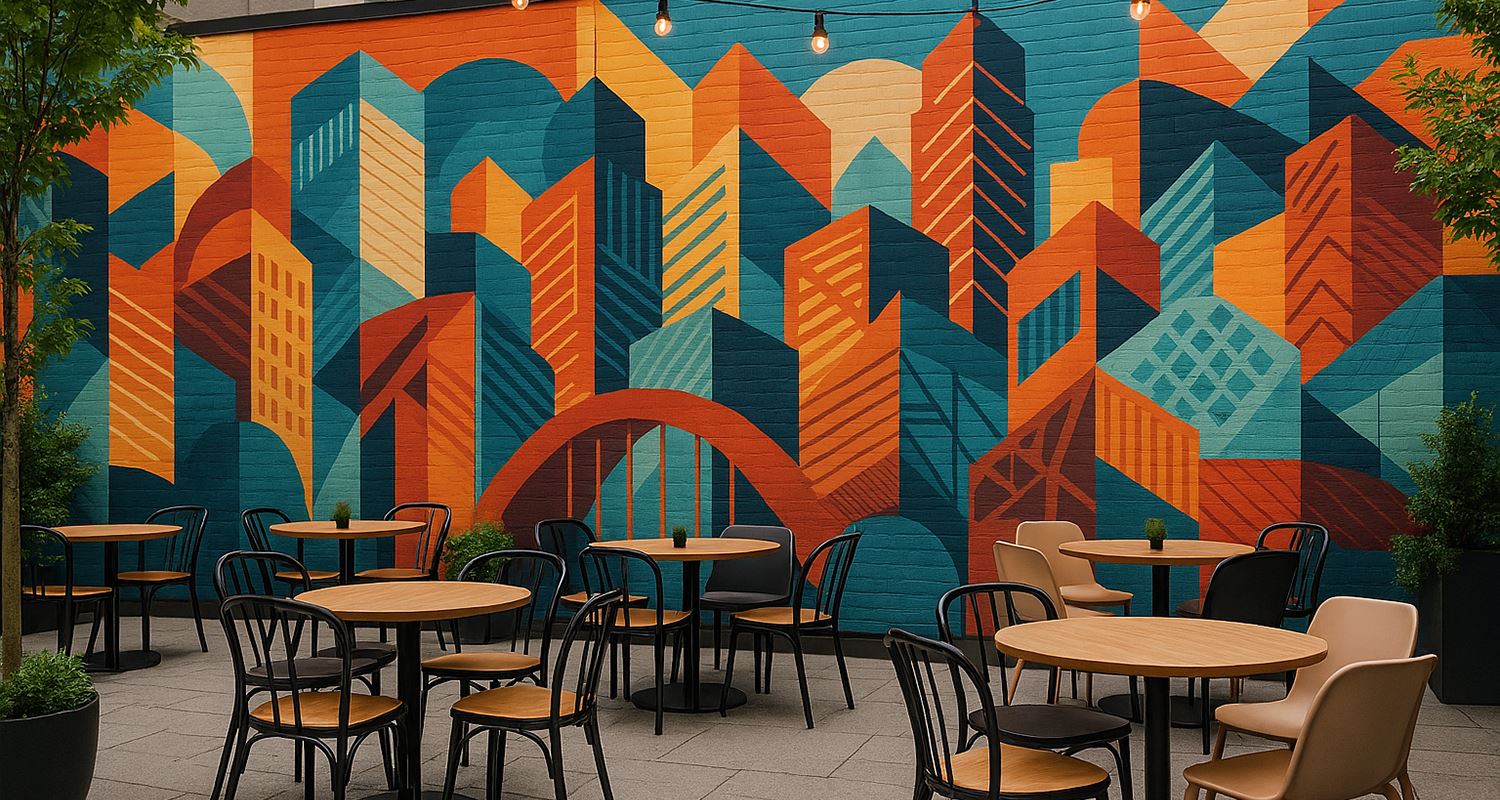
Atlanta's outdoor dining scene is booming, with patios packed year-round and diners hunting for Instagram-worthy backdrops. Your patio walls aren't just boundaries—they're billboards, brand ambassadors, and social media magnets rolled into one. But here's the catch: Georgia's intense sun and unpredictable weather can turn vibrant wall murals into faded eyesores faster than you can say "peach cobbler."
Smart restaurant owners are discovering that UV-safe wall wraps offer the perfect solution. These aren't your average wall stickers that peel and fade after one brutal summer. We're talking about professional-grade wall decals engineered to withstand Atlanta's climate while keeping your brand colors crisp and your customers snapping photos.
Let's explore how the right wall wrap can transform your outdoor space from forgettable to photogenic—and keep it looking fresh season after season.
Why Atlanta's Climate Demands UV-Safe Solutions
Atlanta's weather puts outdoor signage through a stress test that would make other cities sweat. With UV index readings regularly hitting 8-10 during peak months and summer temperatures soaring past 95°F, your patio walls face a daily assault from the sun's rays.
The real challenge isn't just the heat—it's the combination. Morning humidity, afternoon thunderstorms, and that infamous Georgia pollen create a perfect storm for traditional graphics to fail. Standard wall decals might look great for the first few months, but by August, you'll notice colors shifting, edges lifting, and your investment literally peeling away.
UV radiation breaks down the molecular bonds in inks and adhesives, causing that telltale fading that screams "neglected business." When customers see sun-bleached graphics, they subconsciously question other aspects of your operation. Fresh, vibrant wall murals, on the other hand, signal attention to detail and quality—exactly what you want associated with your food and service.
Decoding UV-Safe Wall Wrap Technology
Not all wall wraps are created equal, and understanding the difference can save you thousands in premature replacements. The secret lies in two key components: the vinyl material itself and the protective systems layered on top.
Cast vinyl represents the premium tier of wall decals. Unlike calendered vinyl, which is rolled flat under pressure, cast vinyl is poured into molds, creating a thinner, more conformable material that hugs irregular surfaces like brick and stucco. This superior flexibility prevents the cracking and lifting that plague cheaper alternatives when temperatures fluctuate.
The real magic happens with UV-inhibiting inks and protective laminates. High-quality wall stickers use solvent-based or UV-cured inks that resist color breakdown, while specialized laminates act like sunscreen for your graphics. These protective layers don't just block UV rays—they also resist scratches, graffiti, and chemical damage from cleaning products.
Warranty periods tell the story: budget wall decals might offer 1-2 years of coverage, while premium UV-safe options confidently back their products for 5-7 years. The warranty typically voids if you use harsh cleaners, install over unsealed porous surfaces, or skip proper surface preparation—which brings us to our next critical point.
Design Strategies for Sun-Drenched Walls
Creating wall murals that pop under Georgia's intense sun requires strategic color choices and thoughtful design elements. Deep, saturated colors generally hold their intensity longer than pale pastels, which can appear washed out even when new.
Navy blues, forest greens, and rich burgundies maintain their visual impact throughout the UV assault, while super-light pinks and baby blues tend to fade noticeably within the first year. If your brand palette includes lighter tones, consider using them as accent colors rather than dominant elements.
Contrast becomes your best friend when designing for outdoor visibility. Graphics that look perfect in your air-conditioned office might disappear in bright sunlight or become unreadable during Atlanta's dramatic golden hour. Test your designs by viewing them on a tablet or phone screen with brightness maxed out—if details get lost, they'll vanish on the actual wall.
Position key branding elements and menu highlights where they'll catch the most eyes. Corner locations benefit from wraparound designs that remain visible from multiple angles, while walls facing busy streets should feature bold, simple graphics that read clearly from moving vehicles.
Installation Secrets for Atlanta Surfaces
Professional installation makes the difference between wall wraps that last years and those that fail within months. Atlanta's brick, stucco, and painted concrete surfaces each present unique challenges that require specific preparation techniques.
Surface preparation starts with a thorough power wash using neutral pH cleaners—avoid anything acidic that might etch masonry or leave residues that interfere with adhesion. The critical step most DIYers skip is the complete 24-hour drying period. Georgia's humidity means surfaces that look dry might still harbor moisture that will cause adhesion failure down the road.
Porous surfaces like unsealed brick or rough stucco benefit from specialized primers that create a smooth, sealed base for your wall stickers. This extra step prevents the adhesive from seeping into tiny crevices where it loses holding power and makes future removal nearly impossible.
Seam placement requires strategic thinking in Atlanta's climate. Horizontal seams can channel rainwater behind the vinyl, while vertical seams shed moisture more effectively. Professional installers also perform a heat-setting process 24 hours after application, using controlled heat to activate the adhesive's full bonding potential—especially crucial during humid summer months when initial tack might be compromised.
Maintenance That Extends Lifespan
Proper maintenance transforms good wall wraps into great long-term investments. Atlanta's pollen seasons demand monthly attention, but the routine is simpler than you might expect.
A monthly rinse with garden hose pressure removes the bulk of pollen and airborne grime before it bonds to the surface. For stubborn spots, use a soft brush with mild soap—think car wash gentle, not deck scrubbing aggressive. Avoid citrus-based cleaners and anything containing solvents, which can break down protective laminates and void warranties.
Kitchen exhaust and grease splatter require special attention on restaurant patios. Address these spots quickly with approved degreasers designed for vinyl graphics. Most manufacturers provide specific product recommendations, and following their guidelines preserves both appearance and warranty coverage.
Seasonal inspections before peak patio months help catch small issues before they become expensive problems. Look for lifted edges, color shifts, or areas where the wall decals aren't lying flat against textured surfaces. Quick spot repairs cost pennies compared to full section replacements.
Investment Analysis: Budget vs. Longevity
The math on wall wrap investments becomes crystal clear when you factor in Atlanta's demanding climate. Budget calendered vinyl might cost 40% less initially, but replacement cycles of 18-24 months quickly erode those savings.
Premium cast vinyl with UV protection carries higher upfront costs but delivers 5-7 years of reliable service. Over a decade, you'll spend roughly the same amount but avoid the business disruption and lost revenue that comes with frequent replacements.
Consider the tax implications as well. Wall murals that enhance your property's long-term value might qualify as capital improvements, offering different depreciation schedules than marketing expenses. Consult your accountant about the best classification for your specific situation.
The hidden costs of cheap wall stickers include lost photo opportunities when graphics look shabby, potential damage to underlying surfaces from aggressive removals, and the brand impact of maintaining faded, peeling signage. Quality installations protect both your investment and your reputation.
Quick Answers for Atlanta Restaurant Owners
Can I pressure-wash my wall wraps?
Garden hose pressure works fine for regular cleaning, but avoid high-pressure commercial washers that can force water under edges or damage protective laminates.
Will wall decals stick to textured concrete?
Yes, but proper surface preparation and primer application are essential. Cast vinyl conforms better to irregular surfaces than cheaper alternatives.
Do I need city permits for exterior wall murals?
Atlanta's sign ordinances vary by zone and size. Check with the Department of City Planning for specific requirements in your area—most decorative wall graphics under certain dimensions don't require permits, but it's worth confirming.
Transform Your Patio Into a Destination
UV-safe wall wraps offer Atlanta restaurant owners a proven path to enhanced curb appeal, social media buzz, and long-term cost savings. The combination of climate-resistant materials, strategic design choices, and professional installation creates outdoor spaces that remain Instagram-ready year after year.
Your patio walls work 24/7 to attract customers and reinforce your brand. Shouldn't they be equipped with graphics that can handle the job for years, not months?
Ready to see how UV-safe wall stickers will look on your specific surfaces? We're offering Atlanta restaurant owners a free sample swatch program—test our premium materials on your actual patio walls and experience the difference quality makes. Book your 15-minute consultation today, and the first sample swatch is completely on us.