 Local professional printers have evolved far beyond the printing business cards, forms, and documents. Many of these shops are veritable creative hubs, offering a suite of advanced and unexpected capabilities:
Advanced Digital Integration and Variable Data Printing
Modern print shops frequently utilize digital technologies that allow for personalized, on-demand production. They can incorporate elements such as unique QR codes, individualized messaging, or dynamic layouts via variable data printing, creating a level of customization that’s particularly well-suited for targeted marketing campaigns, direct mail, or unique events.
In-house Design and Brand Consultation
Many local printers offer much more than printing services. They often provide integrated design support, including layout adjustments, color calibration, file conversion from web-friendly platforms like Canva to print-ready formats, and overall branding advice. By collaborating closely with you, they can help refine your brand or project concept and translate it into a polished final product, serving as a creative partner throughout your project.
Rapid Prototyping and Small-Run Production
Using state-of-the-art digital printing technology, local printing professionals can deliver quick turnaround times and cost-effective small-run production. This means you can experiment with innovative ideas or test a market campaign without the pressure of committing to large, expensive print runs.
Cross-Media and Augmented Reality Capabilities
In some cases, local print shops are stepping into the digital realm by integrating printed materials with digital enhancements. For instance, they might embed interactive elements or augmented reality markers into physical pieces, bridging the gap between offline and online experiences. This approach particularly resonates with brands seeking immersive marketing or storytelling techniques.
Specialty Substrate Printing
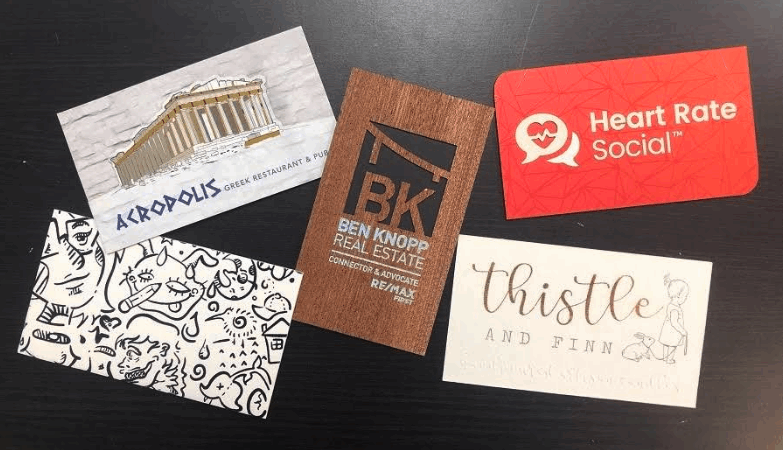 While traditional paper remains a staple, many print professionals now work with a variety of unusual substrates. Expect to see printing on materials like fabric, metal, wood, plastic, transparent or textured surfaces, and even ceramics. This flexibility opens up a world of creative opportunities for unique décor pieces, custom packaging, or product prototypes that stand out through their materiality.
The use of specialty substrates elevates printed projects from everyday media into multisensory experiences. Here are several concrete examples of projects that have pushed the boundaries by using alternative materials.
- Boutique Business Cards and Promotional Pieces
Imagine a boutique café that opts for wooden business cards. The natural grain of the wood not only conveys a rustic, artisanal vibe but also leaves a tactile impression that paper can’t match. Similarly, metal, or acrylic business cards can evoke a modern, industrial look while providing durability and a unique design element.
- Art Installations and Limited-Edition Prints
Artists and galleries now harness unconventional materials to create immersive art. A photographer might print a series on aluminum panels, which offer a sleek finish that enhances the interplay of light and shadow, or on glass for a subtle, luminous effect. Alternatively, high-end art prints on canvas backed by textured or recycled fibers introduce an eco-friendly twist while inviting close-up interaction.
- Custom Packaging for Premium Products
Brands seeking to create a lasting impression often opt for specialty substrates in their packaging. Think of a luxury skincare brand that uses embossed leatherette paper for its boxes or custom fabric-based packaging. The tactile and visual qualities of these materials provide not just product protection but also a storytelling medium that enhances brand identity.
- Retail Displays and Interior Decor
In the realm of interior design, specialty substrates are making waves. Retailers might commission vibrant wall murals printed on reclaimed wood or metal, or incorporate acrylic panels with dynamic, backlit designs into their store displays. These materials offer not only durability but also an element of surprise and sophistication that standard prints simply can’t match.
Each of these projects shows how specialty substrates can transform the ordinary into something memorable. They add texture, durability, and a layer of narrative that deepens the viewer’s experience.

In the area of substrate printing there are myriad possibilities to explore, from eco-friendly prints on recycled materials to interactive installations that blend the physical with the digital.
Custom Finishing and Special Effects
Local print shops often provide premium finishing options such as die-cutting, embossing, foil stamping, spot UV coating, and even hand-applied letterpress techniques. These refinements can transform basic printed materials into tactile, artisanal objects that significantly enhance the perceived quality of your brand assets.
Eco-friendly Substrates
Eco-friendly specialty substrates allow you to make a bold, sustainable statement while still achieving remarkable design and tactile quality. Here are a number of the materials that professional printers are increasingly incorporating:
- Recycled and FSC-Certified Papers
These papers are produced with high post-consumer recycled content or from sustainably harvested fibers certified by the Forest Stewardship Council (FSC). They come in various textures and weights, perfect for everything from business cards to high-end brochures. The emphasis here is on reducing reliance on virgin fibers while supporting responsible forestry practices.
- Hemp and Bamboo Papers
Hemp paper is growing in popularity due to its rapid renewability and robust fiber quality. Hemp requires fewer chemicals during processing, offering a natural alternative with enduring strength. Similarly, bamboo paper, celebrated for its rapid regrowth and minimal environmental impact, provides a distinct surface with a modern edge. Both options can create a tactile experience that stands apart from traditional wood pulp papers.
- Stone Paper
Made primarily from limestone and a small percentage of resin, stone paper is waterproof, tear-resistant, and often touted for its zero-waste production process and lower water consumption compared to tree-based paper. While debate surrounds the resin component, many eco-conscious brands value stone paper for its durability and unique finish that pushes conventional printed materials into new realms.
- Agricultural Waste-Based Substrates
Innovators are now transforming materials like sugarcane bagasse, wheat straw, or other crop residues into high-quality papers. These substrates take advantage of natural by-products that would otherwise go to waste, reducing overall resource consumption and offering a distinct texture and color palette that speaks to sustainability.
- Biodegradable and Plant-Based Plastics
While traditionally used for packaging, substrates made from materials like PLA (polylactic acid) derived from corn starch or sugarcane have found niche applications in print projects. They offer a biodegradable alternative to conventional plastics and can be used for short-term installations, event materials, or product packaging that aligns with a green narrative.
- Organic Cotton or Cotton Rag Paper
Utilizing recycled cotton waste or surplus cotton fibers, these papers offer a unique, luxurious texture with an eco-friendly twist. Their production often repurposes industrial leftovers, making them ideal for projects like artisanal invitations, art prints, or boutique stationery that demand both quality and sustainability.
Each of these options presents diverse possibilities, whether you’re looking to create an environmentally conscious brand identity or just experiment with materials that provide both visual intrigue and tactile differentiation. Exploring these substrates can help elevate your printed projects while reinforcing a commitment to sustainability.
The takeaway is that local professional printers have turned into multifunctional creative partners who can transform your vision into engaging, high-quality printed experiences. If you’re curious about further possibilities, you might ask them about eco-friendly printing options or explore niche print methods that align with your brand’s unique narrative.
To locate a local professional printer in the greater Orlando area, click here.