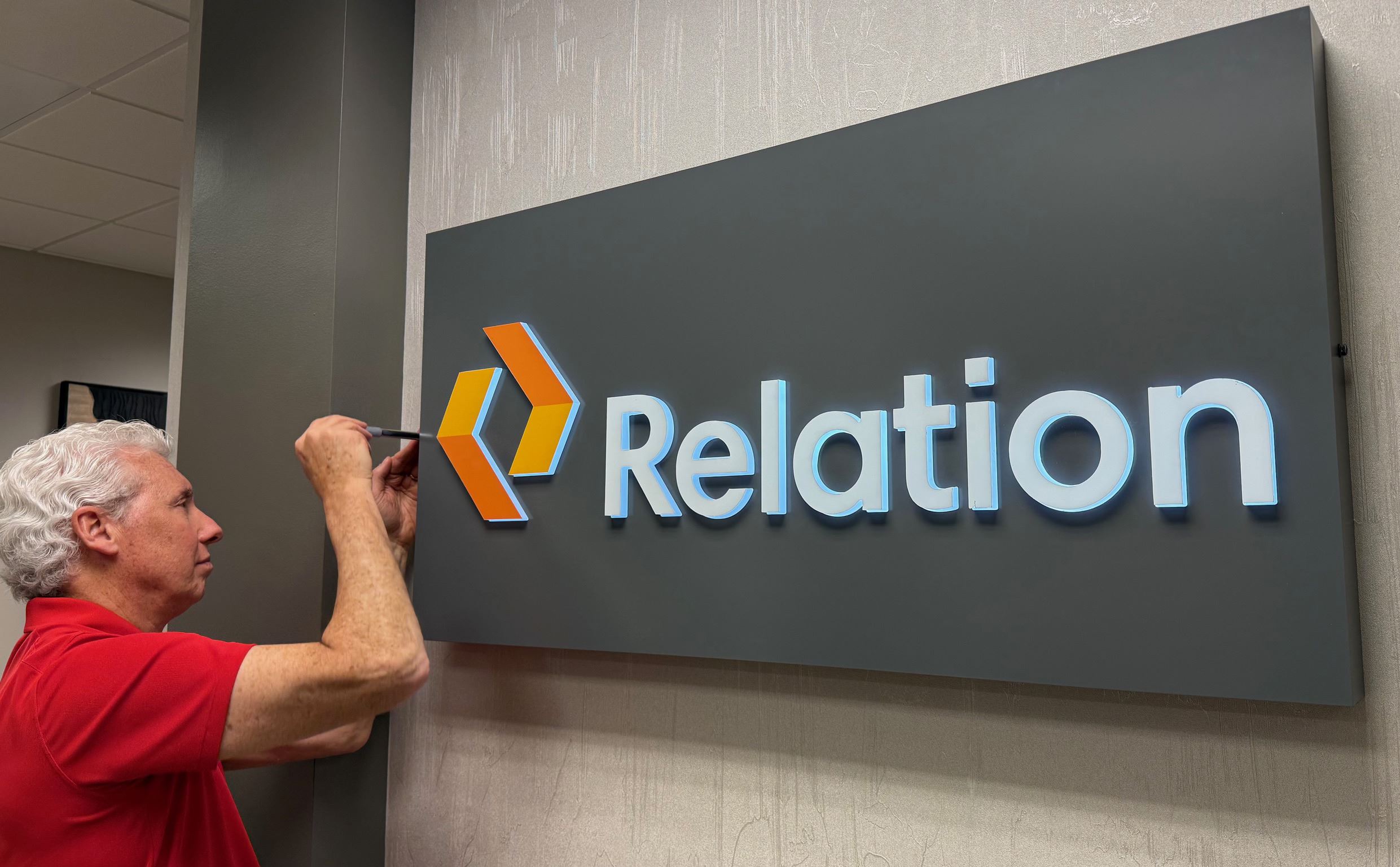

Interior signage plays an important role in how people experience a space. Beyond branding, it serves practical functions such as guiding visitors, improving accessibility, and organizing environments. Businesses, healthcare facilities, schools, and offices all rely on well-designed interior signs to create spaces that are both functional and visually cohesive.
The Purpose of Interior Signage
Interior signs are primarily designed to communicate information clearly and efficiently. Their functions typically fall into a few key categories.
Wayfinding signage helps people navigate unfamiliar spaces. This includes directional signs, room identifiers, and maps. In larger buildings such as offices or medical centers, effective wayfinding reduces confusion and improves overall flow.
Informational signage provides important details, such as safety instructions, policies, or room usage. These signs are often standardized to ensure clarity and compliance with regulations.
Branding elements, while more visual, also serve a communicative purpose. Logos, wall graphics, and environmental graphics reinforce identity and create a consistent experience throughout a space.
Accessibility is another critical factor. Interior signage often needs to comply with ADA (Americans with Disabilities Act) guidelines, which dictate elements like font size, contrast, and tactile features such as braille.
Common Types of Interior Signs
Interior signage comes in a wide variety of formats, each suited to different needs and environments.
Wall graphics and murals are frequently used to add visual interest or convey messaging. These can range from simple vinyl lettering to large-scale printed installations.
Dimensional lettering and signs are typically made from materials like acrylic, metal, or PVC. These are often used for lobby signage or key identifiers because they provide depth and durability.
A more advanced option is Interior Dimensional Graphics, which incorporate layered elements, textures, and mounting techniques to create a three-dimensional effect. These graphics are designed to add depth to flat surfaces, allowing text, logos, or imagery to visually “stand off” from the wall. Common approaches include layered panels, die-cut lettering, and mounted graphics on materials such as wood, metal, or acrylic.
Window graphics can serve multiple purposes, including privacy, branding, and light control. Frosted or perforated vinyl is commonly used in office environments.
Floor graphics are another functional option, particularly in spaces that require directional flow or safety reminders. These are produced with durable, slip-resistant materials to withstand foot traffic.
Wayfinding systems often combine several of these elements into a cohesive system, ensuring consistency in typography, color, and placement throughout a building.
The Design and Production Process
Interior sign production involves several stages, each requiring careful planning and coordination.
The process usually begins with a consultation or site evaluation. This step helps determine the goals of the signage, the layout of the space, and any regulatory requirements.
Design follows, where factors like readability, contrast, scale, and placement are considered. Effective sign design prioritizes clarity over decoration, ensuring that information can be understood quickly.
Material selection is another important step. Different environments require different materials depending on durability, lighting conditions, and aesthetic goals. For example, high-traffic areas may require more durable substrates, while office interiors may prioritize a polished appearance.
Production involves printing, cutting, or fabricating the signage using specialized equipment. Precision is important to ensure consistency and quality across all pieces.
Finally, installation ensures that signs are placed correctly and securely. Proper placement is critical for visibility and usability, particularly for wayfinding systems.
Key Considerations for Effective Interior Signage
Several factors influence how well interior signage performs in a space.
Clarity is essential. Text should be easy to read, with appropriate font sizes and high contrast between text and background.
Consistency helps users quickly understand and trust the signage system. Using the same colors, fonts, and design elements throughout a space improves usability.
Placement is equally important. Signs should be positioned where users naturally look for information, such as entrances, intersections, and decision points.
Maintenance should also be considered. Durable materials and proper installation help ensure that signage remains effective over time without frequent replacement.
Conclusion
Interior sign design and production is a structured process that blends functionality, compliance, and visual design. While often associated with branding, its primary role is to improve how people navigate and interact with a space.
By understanding the different types of signage, the production process, and the key design considerations, organizations can create environments that are easier to use, more accessible, and better organized.