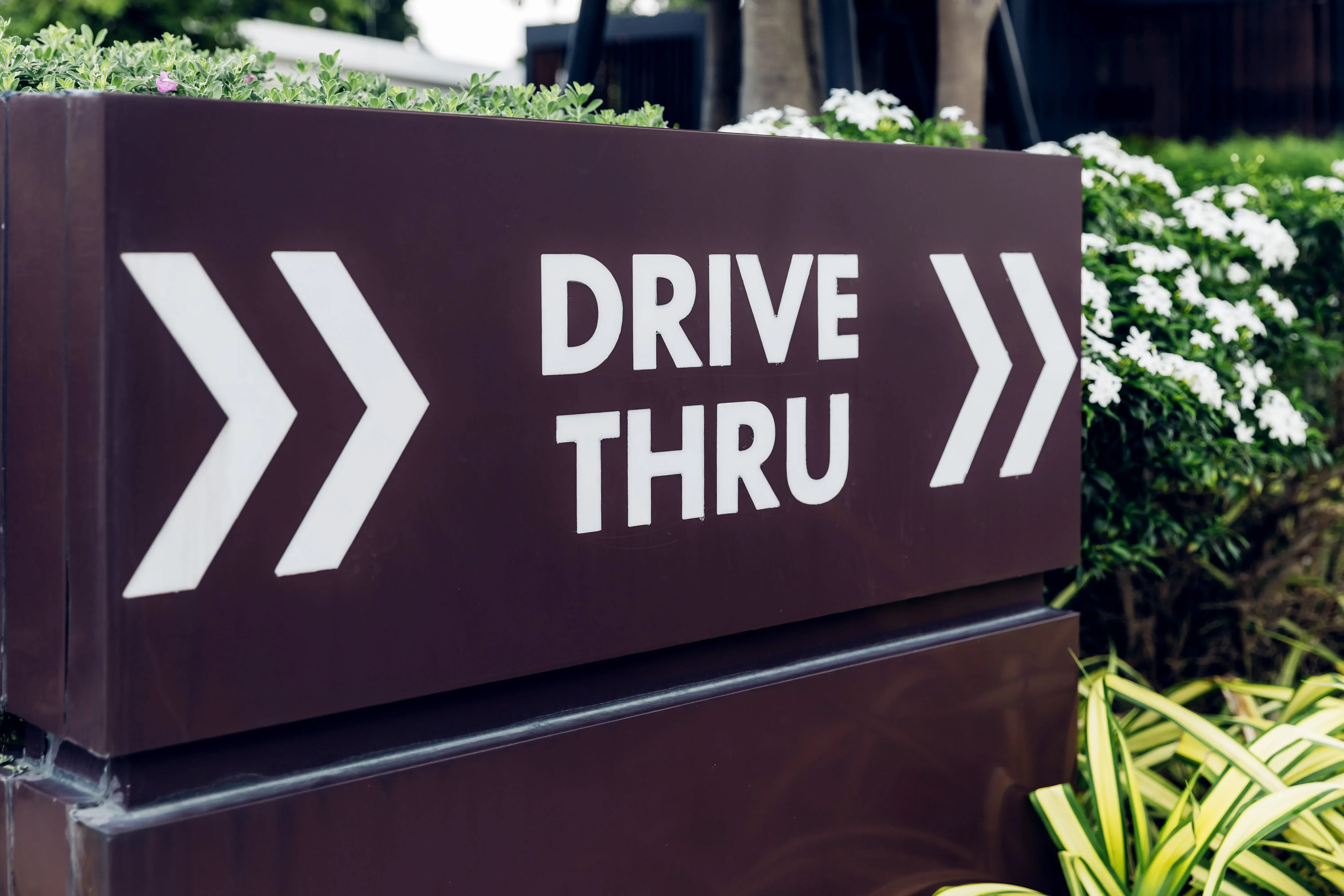
Monument signs for businesses are one of the highest-ROI signage investments a company can make. Unlike temporary signage, wall signs, or vehicle graphics, a well-designed monument sign works 24 hours a day for 20 to 30 years, delivering brand impressions to every driver, pedestrian, and visitor who passes your property. The right monument sign can meaningfully increase foot traffic, elevate perceived brand quality, and improve wayfinding for customers.
The wrong monument sign wastes money, violates local codes, ages poorly, and communicates the opposite of what you want. Getting the decisions right at the beginning matters because monument signs for businesses are permanent installations that cost tens of thousands of dollars to correct if done wrong.
This guide covers what you need to know before investing in monument signs for businesses: real cost breakdowns by size and material, design principles that separate signs that work from signs that don't, the complete installation timeline from consultation to power-on, and the permitting and engineering realities most sign guides skip.
If you're planning a monument sign for your business, this guide provides the answers your sign vendor should be giving you.
What Are Monument Signs for Businesses?
Monument signs for businesses are freestanding, ground-level signs typically installed near property entrances or along street frontage. They sit low to the ground (usually 4 to 8 feet tall), have a solid base rather than being pole-mounted, and are designed as permanent architectural features rather than temporary signage.
Monument signs differ from other business sign types in several ways:
Monument signs vs pylon signs. Pylon signs are tall (often 20 to 50 feet) and pole-mounted for highway visibility. Monument signs are low-profile and designed for street-level and driver-level impact.
Monument signs vs wall signs. Wall signs mount to an existing building. Monument signs are freestanding structures with their own foundation, requiring site work, permits, and often electrical service.
Monument signs vs pole signs. Pole signs mount on a single pole or two poles. Monument signs have a solid base that appears integrated with the landscape.
Monument signs vs post-and-panel signs. Post-and-panel signs are simpler two-post structures with a flat panel between them. Monument signs typically have a more architectural, integrated appearance.
The distinction matters for permitting (many municipalities have different rules for monument vs pylon signs), cost (monument signs typically cost more than post-and-panel but less than pylon signs), and appropriate use (monument signs work best for medical offices, professional services, subdivisions, schools, churches, and businesses where an established, permanent presence matters).
How Much Do Monument Signs for Businesses Cost?
Monument signs for businesses cost anywhere from $5,000 to $150,000 or more, depending on size, materials, illumination, complexity, and site conditions. Here's a realistic breakdown of what different projects actually cost.
Basic Monument Signs ($5,000 to $15,000)
Basic monument signs for businesses use standard materials with a simple design.
Typical specifications:
-
4 to 6 feet wide
-
4 to 6 feet tall
-
Aluminum or HDU (high-density urethane) construction
-
Non-illuminated or externally illuminated
-
Simple graphics with vinyl or dimensional letters
-
Basic foundation
Best for: Small businesses, professional offices, dental practices, small retail, entrance markers for smaller developments.
Mid-Range Monument Signs ($15,000 to $40,000)
Mid-range monument signs for businesses incorporate premium materials and illumination.
Typical specifications:
-
6 to 10 feet wide
-
6 to 8 feet tall
-
Combination of aluminum, HDU, or stone veneer construction
-
LED internal illumination or halo lighting
-
Dimensional lettering with premium finishes
-
Reinforced foundation
-
Landscaping integration
Best for: Medical practices, law firms, retail chains, subdivisions, schools, mid-sized businesses.
Premium Monument Signs ($40,000 to $100,000+)
Premium monument signs for businesses use architectural-grade materials and often incorporate digital messaging.
Typical specifications:
-
8 to 20+ feet wide
-
6 to 12 feet tall
-
Natural stone, brick masonry, or concrete construction
-
Multiple illumination systems
-
LED message centers or digital displays
-
Complex foundation engineering
-
Custom architectural details
Best for: Corporate campuses, hospitals, large retail centers, universities, entertainment venues, high-end residential communities.
LED Message Center Monument Signs ($15,000 to $300,000)
LED monument signs vary widely based on display size and quality.
Small LED monument signs ($15,000 to $35,000): Suitable for schools, churches, and small businesses. Basic single-color or limited-color displays.
Medium LED monument signs ($35,000 to $100,000): Higher resolution, full-color displays. Suitable for retail centers, larger schools, and entertainment venues.
Large LED monument signs ($100,000 to $300,000+): High-resolution full-color displays with content management systems. Suitable for major commercial properties, stadiums, large campuses.
Cost Breakdown: What You're Actually Paying For
Understanding what drives monument sign costs helps you make informed decisions about where to invest and where to save.
Design and engineering ($1,500 to $10,000):
Many sign shops include design in their quote. Structural engineering for permitting purposes is typically an add-on cost for larger or illuminated signs.
Fabrication ($3,000 to $80,000+):
Fabrication is typically the largest single cost component.
Foundation and site work ($1,500 to $15,000):
Foundation costs vary dramatically based on soil conditions. Rocky sites, high water tables, or sloped installations all significantly increase foundation costs.
Permits and inspections ($200 to $5,000):
-
Sign permit application
-
Zoning review fees
-
Building permit (for foundation)
-
Electrical permit (for illuminated signs)
-
Multiple inspection cycles
Some Texas municipalities charge minimal fees ($200 to $500). Others charge $2,000 or more, especially for larger signs requiring variance approval.
Installation ($2,000 to $15,000+):
Utility marking and locates ($0 to $500):
-
Required before any excavation
-
Free in Texas through the Texas 811 system
-
Additional private utility marking may apply
Landscaping and finishing (variable):
-
Ground preparation around sign base
-
Optional plantings, mulching, or stonework
-
Lighting fixtures for external illumination
Design Principles for Effective Monument Signs
Great monument signs for businesses follow specific design principles. Weak monument signs violate them.
Legibility Above All
The primary purpose of monument signs for businesses is to be readable from moving vehicles at appropriate distances.
Font selection matters more than most people realize. Ornate, decorative fonts fail from any distance. Clean sans-serif fonts (Helvetica, Futura, Proxima Nova) or simple slab serifs work best.
Font size follows visibility rules. A general rule: for every 25 feet of viewing distance, the letters need to be 1 inch tall for readability. A sign meant to be read from 100 feet away needs 4-inch letters minimum. A sign meant to be read from 250 feet needs 10-inch letters.
Contrast drives readability. High contrast between text and background (dark text on a light background or light text on a dark background) dramatically improves legibility. Low-contrast designs look sophisticated in mockups but fail in real conditions.
Hierarchy and Focus
Great monument signs communicate one primary message clearly and one to two secondary messages if space allows.
Primary message: Business name (largest, most prominent).
Secondary information (optional): Tagline, address number, service category, or logo.
What to avoid: Multiple phone numbers, addresses, websites, business hours, and taglines competing for attention. Each additional element reduces the effectiveness of everything else.
Brand Alignment
Monument signs for businesses should reflect the business's brand character. A medical practice needs a different sign design from that of a barbecue restaurant.
Traditional professional (law, medical, financial): Clean typography, muted colors, brick or stone materials, formal appearance.
Modern professional (tech, design, contemporary retail): Bold typography, distinctive colors, aluminum or composite materials, geometric shapes.
Casual retail or hospitality: More flexible design options, brighter colors, more personality, dimensional lettering or unique shapes.
Institutional (schools, churches, government): Traditional materials, formal typography, integrated with property architecture.
Site-Appropriate Scale
Monument signs for businesses should be proportional to the property they mark.
Signs too large for the site look out of place and often violate zoning codes. Signs that are too small get visually lost and fail to attract attention. A well-scaled sign appears intentional and appropriate.
Standard sizes:
-
Single tenant, small property: 4 to 6 feet wide
-
Single tenant, medium property: 6 to 10 feet wide
-
Multi-tenant, small: 6 to 10 feet wide
-
Multi-tenant, larger: 10 to 20 feet wide
-
Large campus or major property: 15+ feet wide
Landscape Integration
Great monument signs integrate with the surrounding landscape rather than sitting as isolated structures.
Common integration approaches:
-
Landscape plantings at the base
-
Stone or brick that ties to building architecture
-
Ground-level uplighting
-
Complementary hardscape elements
-
Coordinated colors with adjacent architecture
Illumination Choices
Illumination affects both cost and effectiveness.
Non-illuminated monument signs. Lowest cost, no ongoing electrical expenses. Effective for businesses with limited evening operations or where ambient light is sufficient. Not recommended for businesses that operate at night.
Externally illuminated (spotlight) monument signs. Ground-mounted or overhead lights illuminate the sign face. Lower cost than internal illumination. Warm, traditional appearance. Requires periodic bulb replacement.
Internally illuminated monument signs. LED lighting inside the sign structure evenly illuminates the face. Higher upfront cost but dramatic nighttime visibility. Long LED lifespan (10 to 20 years) reduces maintenance needs.
Halo (reverse channel) lit monument signs. Individual dimensional letters with LEDs behind them cast light onto the sign face behind the letters. Sophisticated, premium appearance. Higher cost.
Digital LED display monument signs. Full electronic display allowing message changes. Highest cost. Requires content management. Highest ongoing electrical cost.
Common Design Mistakes
Certain design decisions consistently hurt monument sign effectiveness.
-
Too much text competing for attention
-
Ornate fonts that fail at distance
-
Low contrast color schemes
-
Cluttered layouts
-
Font sizes too small for viewing distance
-
Colors that clash with property architecture
-
No consideration for nighttime appearance
-
Cheap materials that age poorly
-
Poor proportional relationship to property
-
Illogical hierarchy (phone number larger than business name, for example)
Materials for Monument Signs
Material choice affects cost, appearance, durability, and maintenance for monument signs for businesses.
Aluminum
Aluminum is one of the most common and cost-effective materials used in business monument signs.
Advantages: Cost-effective, lightweight, weather-resistant, wide design flexibility, works well with dimensional letters.
Disadvantages: Less premium appearance than stone or brick, can dent from impact, may show wear over time.
Best for: Businesses seeking a clean, modern appearance without a stone-level budget.
High-Density Urethane (HDU)
HDU is a foam-like composite that can be routed and shaped into virtually any design.
Advantages: Extremely design-flexible, lightweight, can mimic stone or wood appearance at lower cost, weather-resistant, cost-effective.
Disadvantages: Not as durable as stone or aluminum against impact, requires periodic refinishing for optimal appearance.
Best for: Businesses wanting distinctive shapes or textures without natural stone cost.
Brick
Brick monument signs create a permanent architectural appearance that ties to traditional building design.
Advantages: Extremely durable, timeless appearance, ties to brick architecture, appreciated in traditional professional contexts.
Disadvantages: Higher cost than aluminum or HDU, heavy foundation requirements, less design flexibility, requires periodic tuckpointing.
Best for: Traditional professional businesses, schools, churches, institutions.
Natural Stone
Natural stone (granite, limestone, sandstone) provides the highest-end appearance for business monument signs.
Advantages: Premium appearance, extraordinary longevity, appreciated in luxury and institutional contexts, appreciates rather than depreciates aesthetically.
Disadvantages: Highest cost of common materials, heavy foundation requirements, less design flexibility, limited to certain design vocabularies.
Best for: Corporate headquarters, luxury developments, high-end professional practices, institutional properties.
Concrete
Cast concrete allows extensive design flexibility with high durability.
Advantages: Extremely durable, design-flexible, can be textured or finished multiple ways, cost-effective for the durability.
Disadvantages: Heavy foundation requirements, limited color options in raw form, requires skilled fabrication.
Best for: Modern architectural monument signs, high-traffic locations requiring maximum durability.
Composite Materials
Various composite materials (fiber-reinforced polymer, plastic composites) offer specific advantages.
Advantages: Weather-resistant, design-flexible, often cost-effective, lightweight.
Disadvantages: Less premium appearance than natural materials, quality varies significantly by manufacturer.
Best for: Cost-conscious projects requiring specific design features, sites where weight is a concern.
The Monument Sign Installation Process
Understanding the complete installation process for business monument signs helps set realistic expectations for timelines.
Phase 1: Consultation and Site Assessment (1 to 2 weeks)
The sign vendor visits your site to assess:
-
Sign location options
-
Visibility requirements
-
Property setback restrictions
-
Access for equipment
-
Electrical requirements (for illuminated signs)
-
Soil conditions and drainage
-
Existing utilities
-
Landscape considerations
You'll discuss:
Phase 2: Design and Engineering (2 to 4 weeks)
The sign vendor develops:
You review, provide feedback, and approve the final design before proceeding.
Phase 3: Permitting (2 to 6 weeks)
The sign vendor submits:
-
Sign permit application
-
Building permit (for foundation)
-
Electrical permit (if illuminated)
-
Zoning review documents
-
Engineering stamps
-
Site plans
-
HOA approval (if applicable)
Permitting timelines vary dramatically by municipality. Conroe, TX and Montgomery County are generally efficient (2 to 4 weeks). Some Houston metro municipalities take 6 to 8 weeks.
Multi-tenant developments may require additional approvals from property owners and management, which add time.
Phase 4: Fabrication (3 to 8 weeks)
The sign is fabricated in the shop:
-
Base structure construction
-
Sign face fabrication
-
Lettering and graphics application
-
Illumination system integration
-
Finishing and quality control
-
Final inspection before shipping
Fabrication timeline depends on complexity, materials, and shop capacity. Simple aluminum signs may be fabricated in 2 to 3 weeks. Complex stone monument signs with LED integration may take 6 to 8 weeks.
Phase 5: Site Preparation (1 to 2 days)
Before installation:
-
Utility marking (Texas 811 call, 48 hours minimum before digging)
-
Site excavation
-
Foundation forming
-
Concrete pour and cure (concrete typically requires 7 days to reach installation strength)
-
Underground electrical trenching (for illuminated signs)
-
Site cleanup
Phase 6: Installation (1 to 3 days)
Actual installation:
-
Delivery of sign to site
-
Crane or equipment mobilization (for larger signs)
-
Sign placement and securing
-
Electrical connections (for illuminated signs)
-
Final adjustments
-
Testing (illumination systems)
-
Site cleanup
Phase 7: Inspection and Activation (1 to 5 days)
Final steps:
Total timeline for monument signs for businesses: 8 to 16 weeks from initial consultation to activated sign. Complex signs, difficult permitting, or specialty materials can extend this to 20+ weeks.
Permitting and Zoning Realities
Permitting is where monument signs for businesses often encounter unexpected delays and costs.
What sign permits typically regulate:
-
Height restrictions (usually 6 to 8 feet for most municipalities)
-
Setback from property lines and rights-of-way
-
Setback from other signs
-
Illumination restrictions (some areas require dark sky compliance)
-
Signage area calculations
-
Address display requirements
-
Digital display restrictions
Common permitting challenges:
-
Height exceeding local limits (requires variance)
-
Setback conflicts with existing utilities or landscape
-
Illumination timing restrictions
-
Digital display restrictions in certain zones
-
HOA approval requirements for commercial properties in mixed-use developments
-
Corner lot restrictions (larger setbacks often required)
Sign permit reality in Houston metro:
-
City of Conroe: Generally efficient, permits typically processed in 2 to 3 weeks
-
Montgomery County unincorporated: Typically 2 to 4 weeks
-
The Woodlands Township: More restrictive design requirements, often 4 to 6 weeks
-
City of Houston: Highly variable, can take 4 to 8 weeks depending on district
-
Spring, Tomball, Magnolia: Generally efficient smaller municipalities
Working with municipal codes: Experienced sign vendors know local codes and design signs that comply from the start. This prevents the costly delays that arise when designing something that must be revised to meet compliance requirements.
Variances: If your desired sign exceeds standard code allowances, a variance may be possible but adds time and cost. Variance applications typically add 4 to 8 weeks and $1,500 to $5,000 in additional professional fees.
Maintenance and Long-Term Costs
Monument signs for businesses require ongoing maintenance to preserve appearance and function.
Annual maintenance costs:
-
Basic non-illuminated signs: $100 to $500 per year
-
Externally illuminated signs: $300 to $800 per year (includes lighting replacement)
-
Internally illuminated signs: $200 to $600 per year
-
LED display signs: $500 to $2,000 per year (higher due to content management and electrical)
Common maintenance needs:
-
Annual or semi-annual cleaning
-
Bulb or LED replacement as needed
-
Tuckpointing for masonry signs (every 5 to 10 years)
-
Refinishing for painted surfaces (every 3 to 7 years)
-
Vinyl replacement for graphics (every 5 to 10 years)
-
Electrical inspection and testing
-
Landscape maintenance around the base
Longer-term considerations:
-
LED lifespan: 50,000 to 100,000 hours (10 to 20 years of typical use)
-
Structural inspection recommended every 5 years
-
Panel replacement for multi-tenant signs when tenants change
-
Complete refurbishment typically needed at 15 to 25 years
When to Repair vs Replace
Existing monument signs eventually need major work. Understanding when to repair vs replace saves money and avoids compromise.
Repair makes sense when:
-
Structure is sound, but face graphics are outdated
-
Illumination has failed, but structure is intact
-
Damage is localized and can be addressed
-
Total repair cost is less than 30% of replacement cost
-
The design still fits current branding
Replacement makes sense when:
-
Structural damage is significant
-
Multiple systems need major work simultaneously
-
The design doesn't fit current branding
-
Local codes have changed, and current sign doesn't comply
-
Total repair cost exceeds 50% of replacement cost
-
The location no longer serves visibility needs
Partial replacement approaches:
-
New sign face on existing base (common cost-saving approach)
-
Panel replacement for multi-tenant signs
-
Illumination system upgrade (LED retrofit)
-
Refinishing rather than replacement
Multi-Tenant Monument Signs
Monument signs for multi-tenant properties (medical office buildings, retail centers, professional buildings) have unique considerations.
Panel systems: Multi-tenant monument signs typically use replaceable panels for each tenant. When tenants change, only that panel is replaced, not the entire sign.
Panel replacement costs: $300 to $2,000 per panel depending on size and design.
Panel design coordination: Effective multi-tenant signs coordinate individual panel designs while allowing each tenant appropriate branding. This requires standards for typography, color palette, and layout.
Anchor tenant positioning: The anchor tenant (the largest business or property owner) typically occupies the largest and most prominent position on the sign, with other tenants sized proportionally.
Property owner responsibilities: Property owners typically own and maintain multi-tenant monument signs. Individual tenants pay for their panel design and replacement upon lease signing.
Frequently Asked Questions About Monument Signs for Businesses
How much do monument signs for businesses cost?
Monument signs for businesses cost $5,000 to $150,000+ depending on size, materials, illumination, and complexity. Basic signs run $5,000 to $15,000. Mid-range signs run $15,000 to $40,000. Premium signs run $40,000 to $100,000+. LED display signs can exceed $300,000.
How long does a monument sign installation take?
From initial consultation to activation, expect 8 to 16 weeks in total. Complex signs, difficult permitting, or specialty materials can extend this to 20+ weeks.
Do I need a permit for a monument sign?
Yes. Nearly all municipalities require permits for business monument signs. Permits typically require sign design, structural engineering, and site plan documentation.
How tall can a monument sign be?
Most municipalities restrict monument signs for businesses to 6 to 8 feet in height. Some allow taller signs with variance approval. Local codes vary significantly.
How long do monument signs last?
Well-built monument signs for businesses last 20 to 30+ years with appropriate maintenance. Aluminum and HDU may need refurbishment sooner. Stone and brick can last 40+ years.
Are LED monument signs worth the extra cost?
LED illumination adds $5,000 to $30,000+ to sign cost but delivers 24/7 visibility, message flexibility (for digital displays), and long-term energy efficiency. Businesses operating in evenings or with regularly changing messages benefit most from LED options.
What material is best for monument signs?
The best material depends on business type, brand, budget, and property. Traditional professional businesses often benefit from brick or stone. Modern businesses often prefer aluminum or HDU. Institutional properties typically use brick, stone, or masonry.
Can I add my monument sign to an existing base?
Sometimes. If the existing base is structurally sound and appropriately sized, a new sign face can often be mounted on an existing base at significant cost savings ($3,000 to $15,000 vs $15,000 to $50,000 for a complete replacement).
How close to the road can a monument sign be?
Local setback requirements vary. Most municipalities require monument signs to be set back at least 5 to 15 feet from property lines and rights-of-way. Corner lots often have larger setbacks.
Do monument signs need a foundation?
Yes. Monument signs for businesses require concrete foundations sized to support the sign's weight, wind load, and soil conditions. Foundations typically extend 3 to 6 feet below ground and are wider than the sign base.
How wind-resistant are monument signs?
Properly engineered monument signs for businesses withstand 90 to 130 mph winds (Texas building code varies by region). Engineering drawings account for local wind load requirements.
Can I install a monument sign myself?
Not recommended. Monument signs require permits, engineering, electrical work (if illuminated), and often crane equipment for installation. Professional installation ensures compliance and safety.
What's the ROI on monument signs for businesses?
Well-designed monument signs typically deliver 7 to 15% increases in walk-in traffic. Cost per impression is extremely low due to 24/7 visibility for 20 to 30 years.
Are digital monument signs allowed everywhere?
No. Many municipalities restrict or prohibit digital monument signs due to concerns about distraction. Check local codes before investing in digital display options.
What happens if my monument sign gets damaged?
Insurance typically covers accidental damage. Repair vs replacement depends on the extent. Most sign vendors offer repair services and can provide damage assessment.
Making the Right Decision for Your Business
Monument signs for businesses are significant investments that pay off for decades when done right. The key decisions:
-
Set an appropriate budget for the sign your business actually needs (not the cheapest option or the most expensive)
-
Choose materials that match your brand and property architecture
-
Design for legibility first and personality second
-
Include appropriate illumination if your business operates during evening hours
-
Work with an experienced sign vendor who knows local codes and permitting
-
Plan for the full timeline from consultation through activation
-
Budget for ongoing maintenance to preserve your investment
The businesses that end up dissatisfied with their monument signs almost always cut corners on design, materials, or vendor selection to save money, only to hurt themselves in the long term. The businesses that get exceptional value invest appropriately in the initial design and build.
Need a Monument Sign in Conroe or Greater Houston?
AlphaGraphics Conroe provides monument sign design, fabrication, and installation services throughout Montgomery County and the greater Houston metro area, including Conroe, Spring, Magnolia, Tomball, and Willis.
Our team handles the complete process from initial consultation through permitting, fabrication, and installation. We regularly work with local municipalities and know which designs are approved efficiently in each Houston metro jurisdiction.
If you're planning monument signs for businesses in the Houston metro area, we offer complimentary consultations to discuss your goals, review your site, and provide realistic cost estimates.
AlphaGraphics Conroe, 3031 N. Frazier, Conroe, TX 77303, (936) 756-3738, Monday through Friday, 8:00 AM to 5:00 PM
Schedule a consultation or view our signage services.
AlphaGraphics Conroe. Locally owned business signage, print, and marketing solutions serving the Houston metro area.