Industry Solutions
February 20, 2025
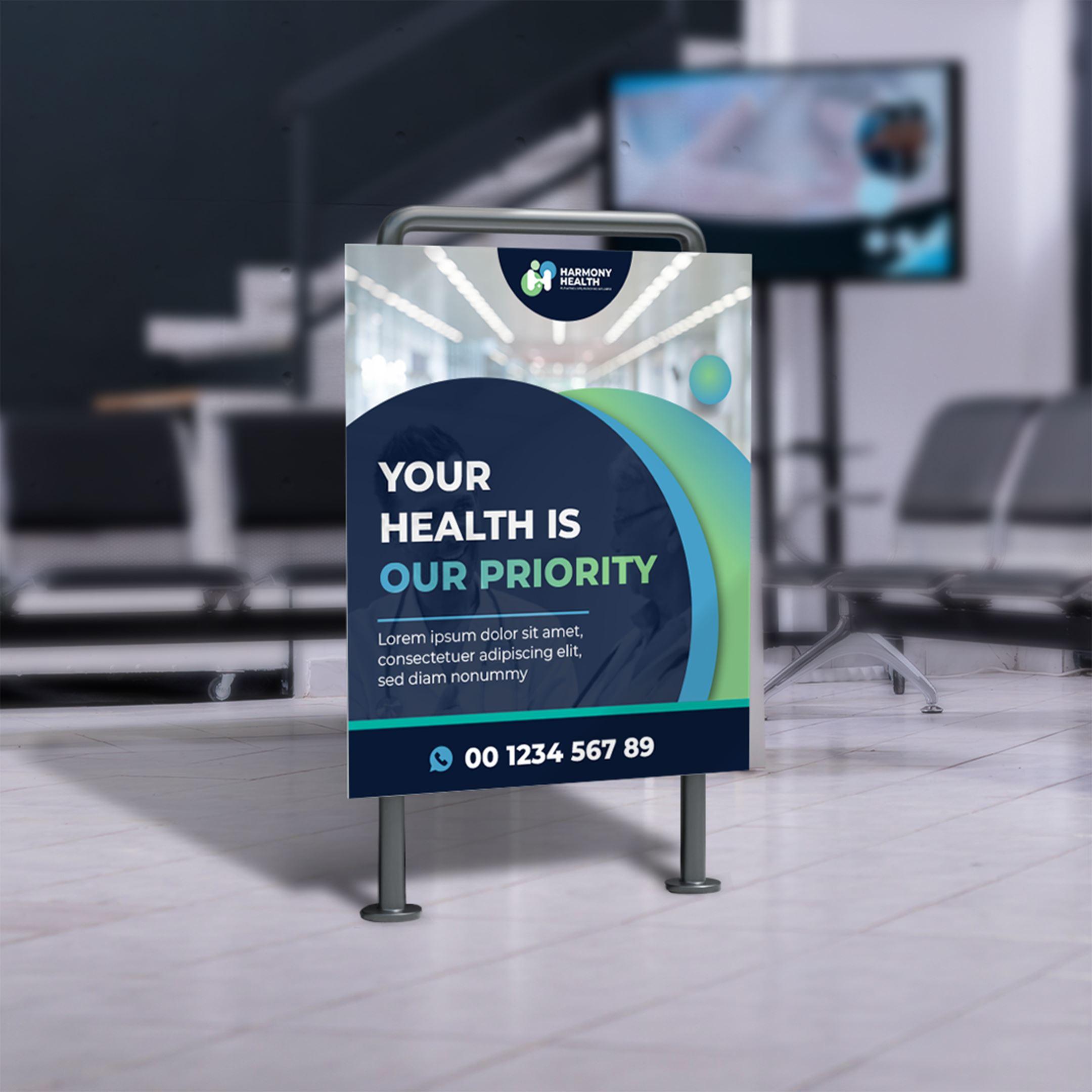
When patients visit a healthcare facility, their focus should be on their recovery and well-being—not on deciphering complex layouts or navigating confusing hallways. Yet, for many, the stress of finding their way around a hospital or clinic is a familiar struggle. Missed appointments, late arrivals, frustration, and anxiety are common outcomes of poor navigational systems.
This is where effective wayfinding signage can make a difference. Thoughtfully designed and strategically implemented wayfinding systems improve the patient experience by making navigation effortless, reducing stress, and increasing confidence. It’s not just about pointing in the right direction—it's about transforming how patients interact with your facility.
Wayfinding signage goes beyond simple directional arrows. It’s a comprehensive system designed to guide patients efficiently and intuitively through healthcare environments. Here’s how it contributes to the patient experience:
For patients and their families, navigating a medical facility can be overwhelming, especially during emotionally charged moments. Picture standing in a labyrinth of hallways with no clear indication of which turn leads to the right department. Effective signage eliminates this confusion and helps patients feel in control of their environment. By providing clear, readable instructions, wayfinding signage fosters a sense of calm and confidence.
When patients get lost or delayed due to unclear signage, it not only adds stress but also disrupts hospital operations. Staff are often pulled away from critical tasks to offer directions, affecting overall efficiency. An effective wayfinding system reduces these interruptions, allowing medical staff to focus on delivering care while minimizing unnecessary delays.
An impactful wayfinding system combines multiple types of signage to support the varied navigation needs within a facility. Here are the essential elements:
These signs guide movement by clearly marking paths to important destinations like waiting areas, patient rooms, elevators, and specialty departments.
Signs that label departments, offices, and rooms prevent patients from mistakenly entering the wrong area.
Compliance with safety standards is non-negotiable in healthcare. Signs highlighting emergency exits, fire safety instructions, and restricted zones ensure patient and staff safety.
Modern wayfinding tools like digital maps, kiosks, and scannable QR codes are especially valuable for large hospital campuses. They provide instant, adaptable guidance tailored to a patient’s specific needs.
Designing exceptional wayfinding signage requires attention to detail, accessibility, and aesthetics. Here’s how to ensure your system supports easy navigation:
Use large, legible fonts.
Employ contrasting colors and universally recognized symbols.
Avoid overly technical or complex terminology to ensure accessibility for all literacy levels.
Signs should be strategically placed at decision-making points such as intersections, entrances, and elevators.
Consistency in the placement and style of signage ensures predictability in navigation.
Include translations to accommodate non-English-speaking patients.
Follow ADA (Americans with Disabilities Act) standards to ensure accessibility for individuals with visual impairments or mobility challenges.
The design of your signage should reflect the healthcare facility’s branding through consistent colors, fonts, and logos. This fosters trust and familiarity.
The patient experience begins before they even walk through your doors. Clear signage that guides them to parking lots, entrances, and check-in kiosks ensures a positive first impression.
Patients need to find their way to exam rooms, imaging centers, or specialty departments quickly and confidently. Proper signage minimizes delays and frustration.
After their appointment, wayfinding systems can help direct patients to the pharmacy, follow-up services, or the nearest exits with ease, ensuring a seamless experience.
Healthcare facilities are increasingly adopting innovative solutions to improve navigation and patient satisfaction:
Digital wayfinding screens and interactive kiosks offer step-by-step instructions tailored to individual patient needs. They can even adjust dynamically to account for last-minute room changes.
Assigning colors to specific departments simplifies navigation at a glance. A patient heading to radiology, for example, simply follows the green arrows or lines.
QR codes on printed maps or signs allow patients to access detailed directions, doctor information, or appointment schedules on their smartphones.
Patient Journey Mapping: Identify navigation pain points by walking through the facility from a first-time patient’s perspective.
Seek Feedback: Assemble focus groups of patients and staff to fine-tune signage placement and design.
Regular Updates: Make sure signage evolves as the facility expands or departments relocate.
A well-designed wayfinding system does more than just help people find their way. It enhances patient satisfaction, improves operational efficiency, and elevates the overall reputation of your healthcare facility.
If you’re ready to take the first step, consider conducting a wayfinding audit or consulting with professional signage designers. An investment in thoughtful, user-friendly wayfinding is an investment in better patient care and a more organized, effective healthcare environment.