Industry Solutions
February 26, 2025
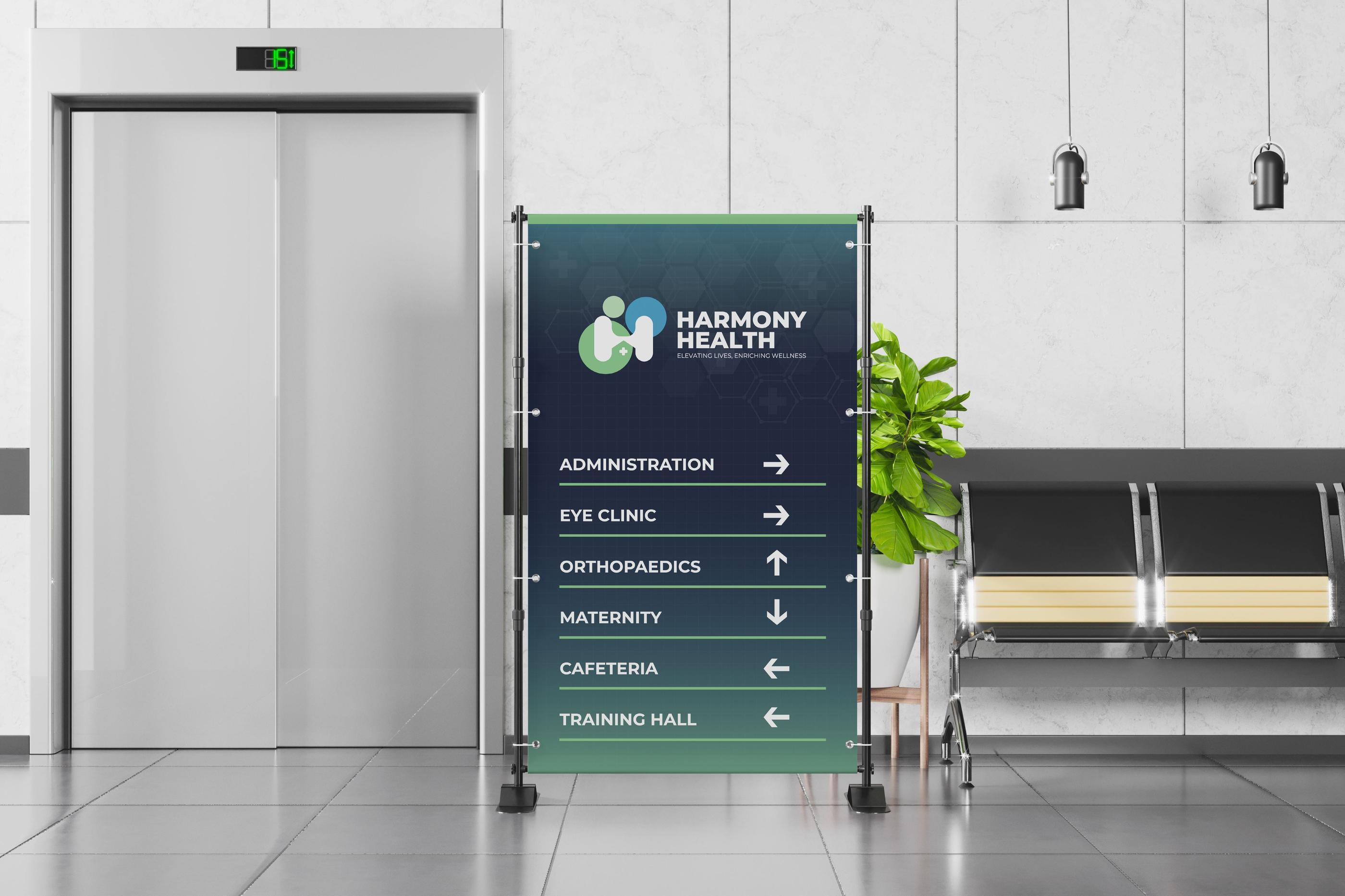
From safeguarding patients to keeping staff informed, compliance and safety are the cornerstones of any thriving healthcare facility. But achieving these goals requires more than protocols and procedures. Enter custom health signage—an essential tool for creating a secure, navigable environment while ensuring regulatory adherence.
Whether it's guiding a visitor to the nearest emergency exit or reminding staff about biohazard precautions, clear and well-placed signage plays an invaluable role. This guide will walk you through the importance, types, and best practices of custom health signage to elevate your facility’s safety standards.
Healthcare regulations are non-negotiable, and signage is often the first step toward compliance. From OSHA (Occupational Safety and Health Administration) and ADA (Americans with Disabilities Act) to HIPAA (Health Insurance Portability and Accountability Act), regulatory standards require appropriate signage for hazards, restricted areas, privacy zones, and more.
Examples include:
OSHA-approved hazard communication labels for biohazard and chemical storage.
ADA-compliant signage with tactile braille for patient rooms and elevators.
HIPAA privacy notices to protect sensitive patient information.
Failing to adhere to these regulations can lead to fines, legal challenges, and reputational damage. Custom health signage ensures compliance, reduces risk, and protects everyone in the facility.
Safety signage does more than meet regulatory demands—it actively prevents accidents and missteps. By clearly marking hazards, hand hygiene reminders, and zones requiring Personal Protective Equipment (PPE), custom signs create an environment where safety is second nature.
Examples of safety-focused signage include:
Fall risk alerts for at-risk patients.
Radiation warning signs near imaging departments.
Infection control reminders for sanitization and handwashing.
Healthcare facilities can be intimidating to visitors, especially during emergencies. Clear directional signage helps patients, staff, and visitors find their way—reducing stress and improving overall experience.
Key features include:
Multilingual signs catering to diverse populations.
Simple, consistent arrows and universally recognized icons.
Clearly marked zones such as emergency rooms, exits, and specialty departments.
Custom signage works best when it meets specific needs in key areas. Below are the most common types of health signs essential for compliance and safety:
Show your commitment to meeting healthcare requirements by investing in:
OSHA-approved hazard labels with clear instructions.
HIPAA privacy notifications to safeguard patient confidentiality.
Reduce the risk of hazardous incidents by using:
Biohazard labels and sharps disposal warnings.
Radiation and restricted-area signs.
PPE notices for sterile or high-risk zones.
Emergency responses need to be quick and effortless. Help staff and patients stay prepared with:
Detailed exit maps and emergency routes.
Fire extinguisher and fire alarm locations.
Emergency assembly area signs.
Simplify navigation with signage that sends clear messages:
Room numbers and department labels.
Visitor-friendly maps at key decision points.
Waiting area and check-in counter instructions.
Combat the spread of infection by prominently displaying:
Handwashing reminders in restrooms and clinical areas.
Sanitization station instructions.
Protocol signage for infection zones.
Not all signage is created equal. Effective health signage shares several features that ensure maximum utility and longevity.
Use bold fonts, high contrast, and universal icons.
Avoid clutter—spacing and clarity are key for quick readability.
Use materials that are weather-resistant, easy to clean, and built to withstand heavy traffic.
Ensure your signs remain legible over time, even after frequent sanitization or exposure to harsh conditions.
Hospitals serve diverse populations. To create an inclusive experience, ensure:
Translations for major spoken languages.
ADA-compliant braille for tactile navigation.
Visual symbols for universal understanding.
Maintain a cohesive visual identity with branded colors and fonts.
Stay compliant by adhering to regulatory mandates while showcasing professional integrity.
Implementing signage requires strategic planning to maximize visibility and compliance. Follow these best practices:
Before investing in signage, assess your facility’s needs with a compliance audit. Address questions like:
Are restricted areas and hazards properly labeled?
Do emergency exits have clear directional signs?
Are multilingual and accessible features in place?
Effective placement makes signage functional and impactful:
Position signs at eye level and along natural pathways.
Highlight high-traffic areas like entrances, hallways, and waiting rooms.
Include emergency signage in visible, well-lit locations.
Signage isn’t “set it and forget it.” Ensure all signs remain relevant and legible:
Schedule routine inspections for damage or fading.
Update signs to reflect new regulations or changes in facility layout.
Investing in custom health signage is more than a compliance strategy—it’s a proactive step toward building a safer and more welcoming healthcare environment. By properly designing and implementing signage, you’re:
Protecting patients, staff, and visitors.
Simplifying daily operations with enhanced navigation.
Ensuring high standards in safety and regulatory adherence.
Now’s the time to take action. Audit your facility, identify your signage needs, and get in contact with us! High-quality, purposeful signage is an investment in safety, compliance, and peace of mind.