Event & Promotional Signs
April 16, 2024

Welcome to the world of event signage, where every directional arrow, informative placard, and promotional banner is crucial in orchestrating a seamless experience for attendees. Effective signage serves as the unsung hero in the bustling atmosphere of events, from conferences to trade shows, quietly guiding participants through the maze of venues and activities while communicating essential information and enticing engagement.
At AlphaGraphics of Buckhead, we understand the pivotal role that signage plays in the success of any event. Based in Atlanta, GA, we've witnessed firsthand how strategic placement and thoughtful design can transform chaos into cohesion, ensuring that attendees not only find their way but also engage with the offerings at hand. In this blog, we'll journey through the intricacies of event signage, exploring the different categories and providing valuable insights into best practices for design and placement.
Directional Signage is the cornerstone of attendee navigation, providing clear guidance to help individuals move smoothly through event spaces. Its primary purpose is to direct attendees to key locations within the venue, such as registration areas, seminar rooms, exhibitor booths, restrooms, and refreshment stations. By strategically placing directional signs at crucial points throughout the event space, organizers can ensure that attendees can easily find their way without feeling lost or overwhelmed.
When it comes to directional signage, clarity is of the utmost importance. Messages should be concise and easily understandable, avoiding jargon or ambiguity that could confuse attendees. Simplicity in design and messaging ensures that directional signs can be quickly and effortlessly interpreted, even in the middle of a bustling event environment.
By adhering to these best practices, event organizers can ensure that directional signage effectively guides attendees through the event space, enhancing the overall experience and minimizing frustration.
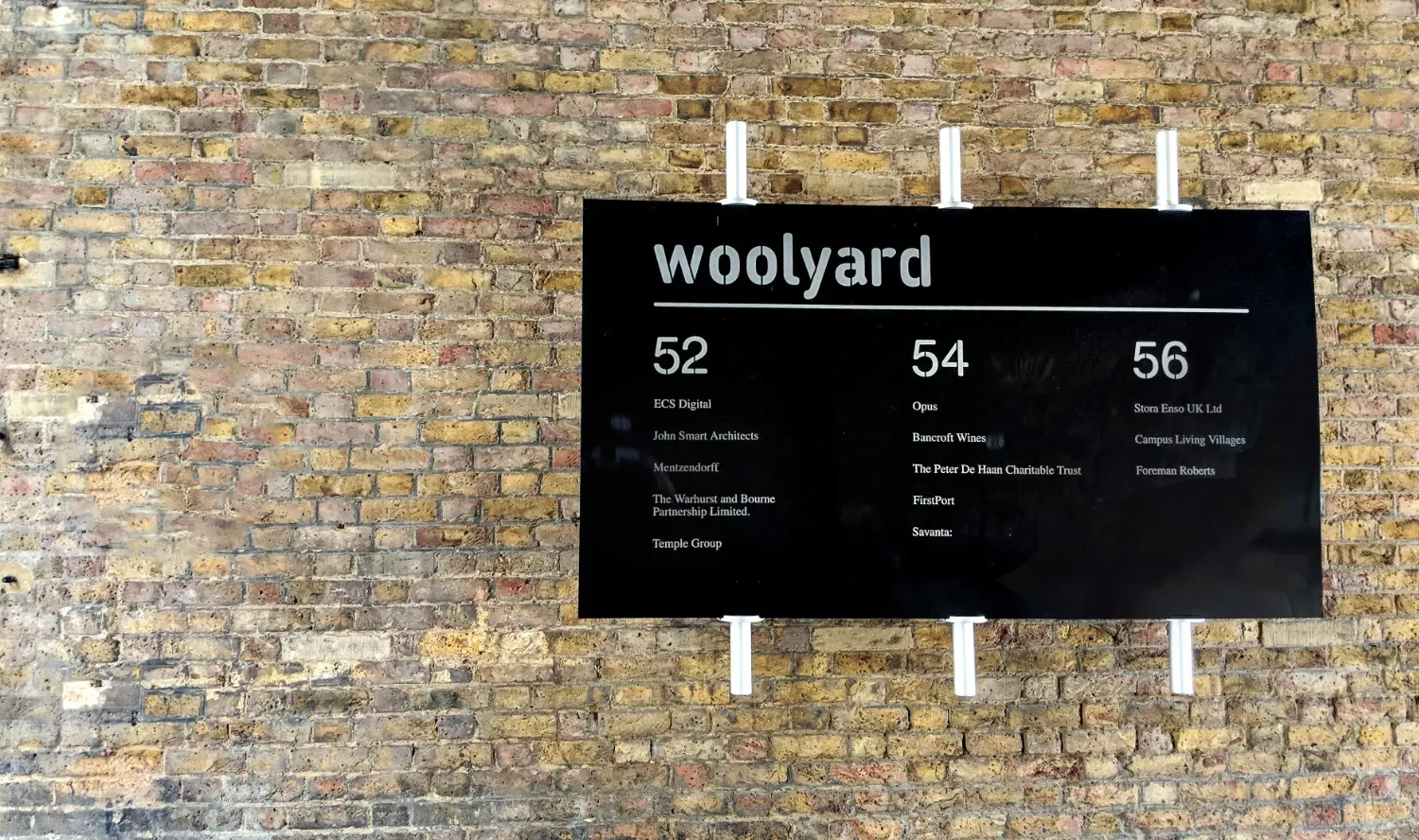
Informational signage serves as a vital communication tool, conveying essential details about event schedules, speaker sessions, exhibitor information, and logistical instructions to attendees. Unlike directional signage, which primarily focuses on guiding navigation, informational signage aims to inform and educate attendees, empowering them to make informed decisions about their event experience.
Clarity and readability are important when designing informational signage. Attendees should be able to quickly absorb the information presented without any confusion or ambiguity. Utilize clear and concise language, avoiding excessive text or technical jargon that may overwhelm or distract attendees. Additionally, ensure that fonts are legible and appropriately sized for easy reading from a distance.
While it's important to maintain a strong brand presence throughout your event signage, informational signage should prioritize clarity and functionality over branding elements. Incorporate branding subtly through the use of brand colors, logos, and fonts, but avoid overwhelming attendees with excessive branding that detracts from the informational focus. Strike a balance between brand identity and informational clarity to ensure that signage remains effective and informative.
By following these best practices, event organizers can create informational signage that effectively communicates important details to attendees, enhancing their overall event experience and facilitating seamless navigation and engagement.
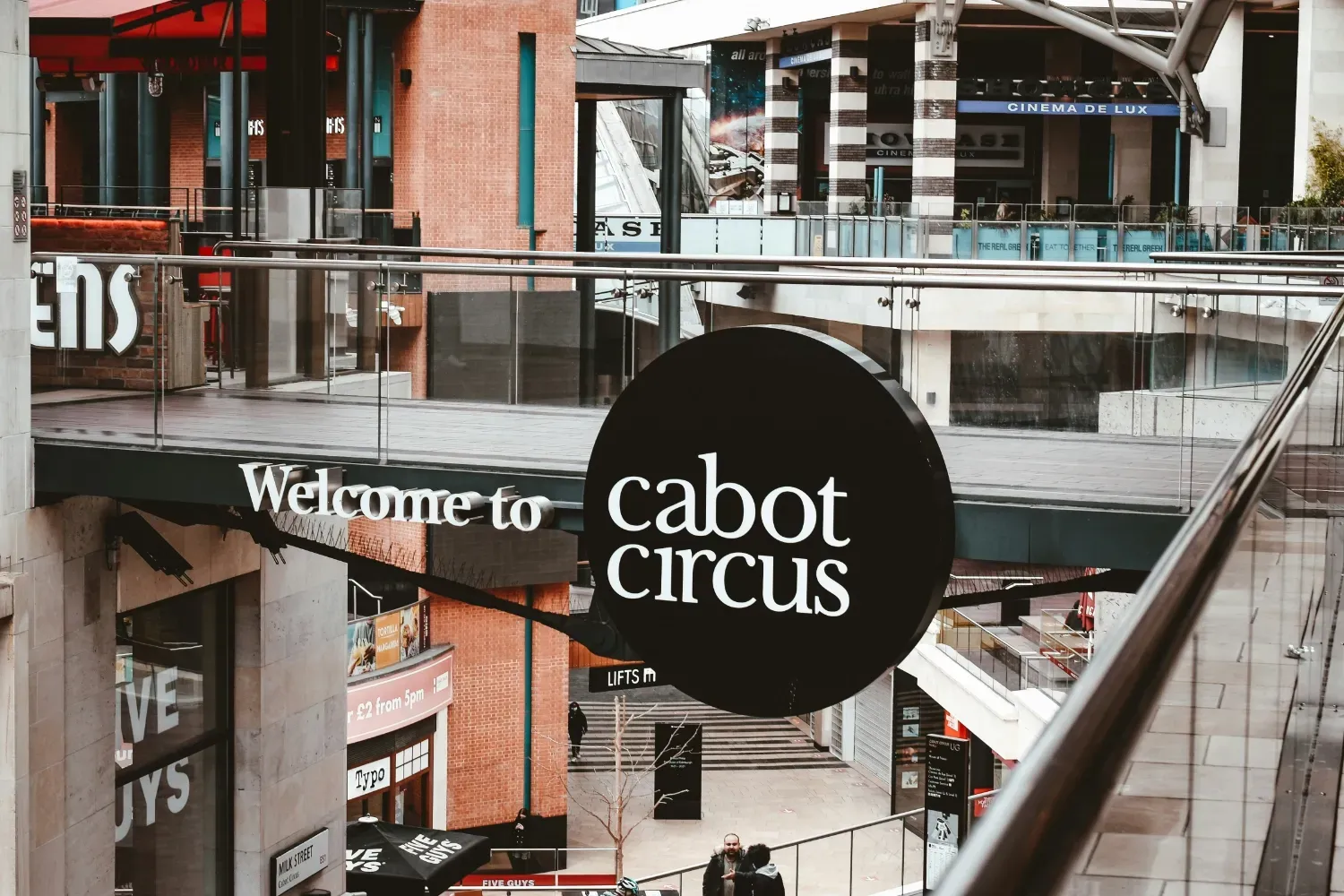
Promotional signage serves as a dynamic tool for capturing attention, generating excitement, and driving engagement among event attendees. Unlike directional and informational signage, which focuses on guiding and providing essential details, promotional signage aims to showcase sponsors, highlight special promotions, and draw attention to featured attractions or products. By strategically incorporating promotional signage into event spaces, organizers can create immersive experiences that leave a lasting impression on attendees.
While promotional signage plays a crucial role in driving engagement and sponsorship revenue, it's essential to strike a balance between promotional messages and event statistics. Avoid overwhelming attendees with excessive branding or sales-oriented content that detracts from the overall event experience. Instead, integrate promotional signage seamlessly into the event environment, complementing the existing decor and enhancing the overall ambiance.
Best Practices for Design & Placement
By following these best practices for design and placement, event organizers can leverage promotional signage to create immersive experiences that captivate attendees, drive engagement, and elevate the overall success of their events.
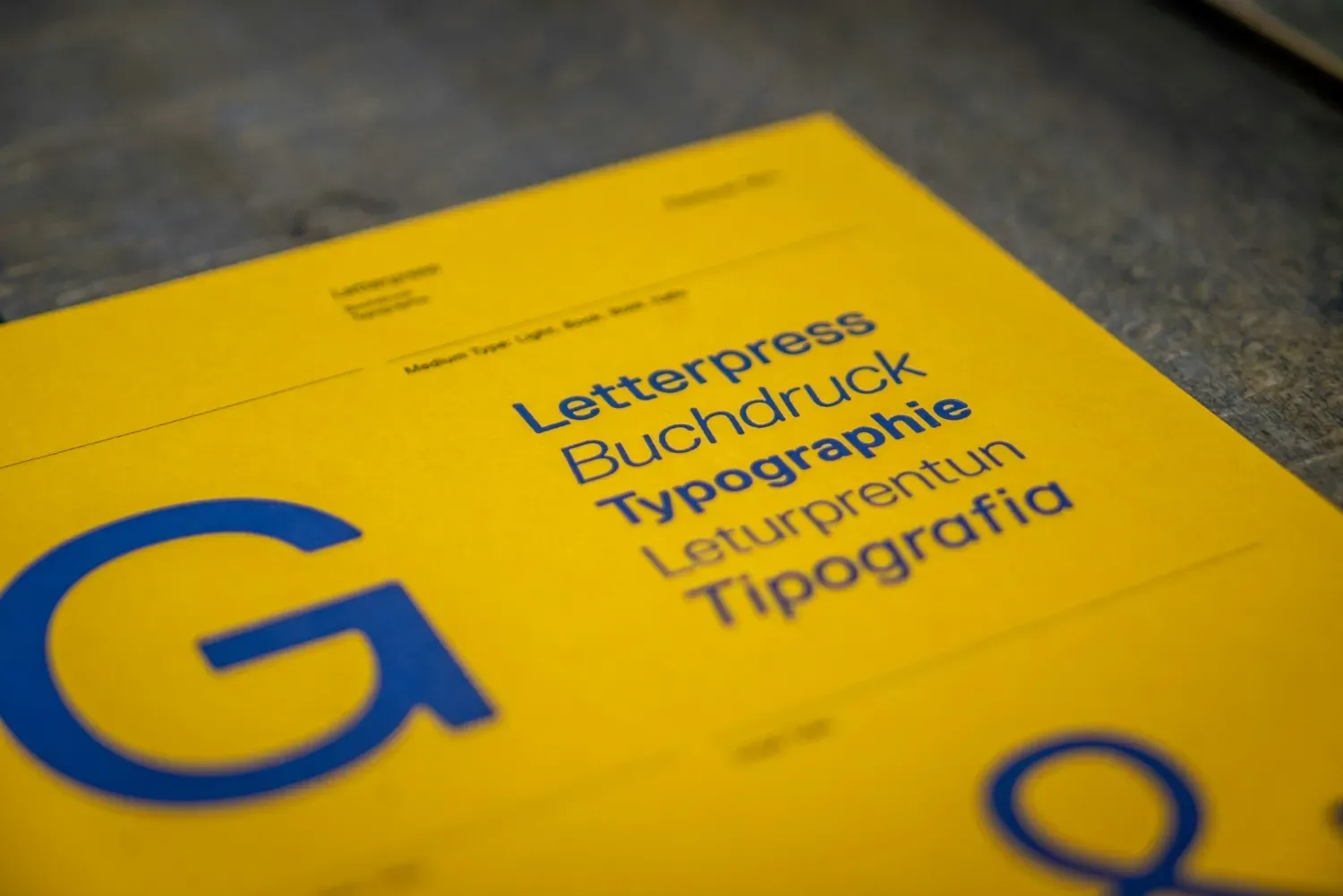
Typography plays a significant role in the effectiveness of event signage, influencing readability, brand consistency, and overall visual appeal. When selecting fonts for event signage, several considerations come into play to ensure clear communication and cohesive branding.
One of the primary considerations when choosing fonts for event signage is legibility from a distance. Attendees should be able to read signage quickly and easily, even from afar or in crowded environments. Opt for fonts with clear, distinct letterforms and ample spacing between characters to enhance legibility, particularly for directional and informational signage where quick comprehension is crucial.
Event signage serves as an extension of the event's brand identity, reinforcing visual consistency and messaging throughout the attendee experience. Selecting fonts that align with the overall branding aesthetic, whether it's sleek and modern, bold and dynamic, or classic and elegant. Consistent use of brand fonts across all signage reinforces brand recognition and creates a cohesive visual identity that resonates with attendees.
The size of fonts used in event signage should be carefully calibrated based on the intended viewing distance and the type of signage. Larger fonts are typically necessary for directional signage placed in high-traffic areas or at a distance, ensuring readability from various vantage points. Informational signage may require a range of font sizes, with headers and key details emphasized in larger text for easy scanning. For promotional signage intended to capture attention and convey messages quickly, bold and sizable fonts are often preferred to make a strong visual impact.
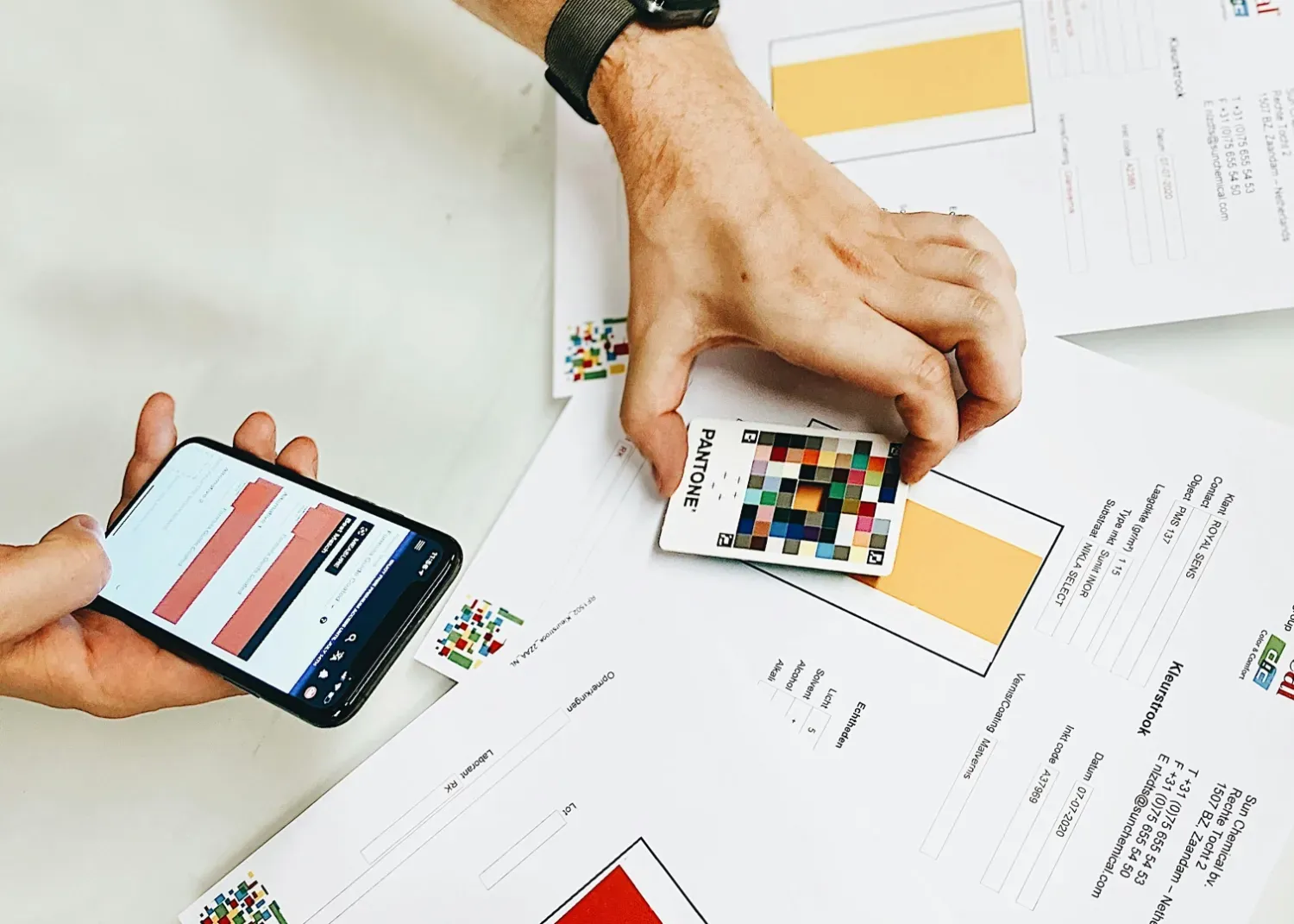
The color palette used in event signage plays a critical role in creating visual consistency, enhancing readability, and reinforcing brand identity. From directional arrows to promotional banners, thoughtful color selection can significantly impact the effectiveness of signage throughout the event space.
Consistency is key when it comes to the color palette used in event signage. By establishing a cohesive color scheme that aligns with the event's branding guidelines, organizers can create a unified visual identity that resonates with attendees. Consistent use of colors across all signage elements reinforces brand recognition and helps attendees navigate the event space with ease.
Contrasting colors are essential for ensuring readability and visibility, particularly in high-traffic areas or from a distance. When selecting colors for text and graphics, opt for combinations that provide sufficient contrast to ensure legibility, even in dimly lit environments or against busy backgrounds. High-contrast color pairings, such as black text on a white background or vice versa, are effective for maximizing readability and ensuring that signage stands out against its surroundings.
Incorporating brand colors into event signage is an excellent opportunity to reinforce brand identity and create a memorable visual experience for attendees. Use brand colors strategically throughout signage design, whether it's for text, graphics, or background elements. By integrating brand colors effectively, organizers can create cohesive and impactful signage solutions that align with the event's overall branding and messaging.

Visual elements such as icons, symbols, and thematic designs play a crucial role in facilitating quick comprehension, enhancing engagement, and reinforcing event themes. By strategically incorporating visual elements into signage design, organizers can create immersive and memorable experiences that resonate with attendees.
Icons and symbols are powerful tools for conveying information quickly and intuitively, especially in environments where attendees may be navigating rapidly or in need of instant guidance. Incorporate universally recognized symbols, such as arrows for directional signs or icons representing amenities like restrooms or food stations, to facilitate easy comprehension and navigation. Icons and symbols transcend language barriers, making them invaluable assets for creating inclusive and accessible signage solutions.
Event themes serve as the foundation for creating cohesive and visually impactful signage experiences. Infuse event themes into signage design through the use of thematic colors, imagery, and motifs that reflect the overarching concept or message. Whether it's a futuristic conference, a tropical-themed party, or a vintage-inspired gala, aligning signage design with the event theme enhances immersion and reinforces the event's identity and purpose.
While visual elements play a crucial role in capturing attention and conveying messages quickly, it's essential to strike a balance between visuals and textual information to ensure clarity and comprehension. Pair visual elements with concise textual information to provide context and clarity, especially for informational signs where details may be crucial for attendees to make informed decisions. Incorporate visuals strategically to enhance textual information without overwhelming or distracting from the message.
Entrance and registration areas serve as the gateway to the event experience, making them prime locations for impactful signage that sets the tone and provides essential guidance to attendees.
Main event spaces, such as keynote auditoriums, exhibition halls, and networking areas, experience high foot traffic and serve as focal points for attendee engagement. Strategic placement of signage within these spaces is essential for maximizing visibility and highlighting key features and attractions.
Breakout sessions and workshops offer attendees opportunities for focused learning and networking within smaller, more intimate settings. Clear signage is essential for guiding attendees to specific sessions and facilitating seamless navigation within the event venue.
Networking and exhibition areas are bustling hubs of activity where attendees connect with peers, explore products and services, and engage with sponsors and exhibitors. Effective signage within these areas is essential for promoting exhibitors, facilitating networking, and guiding attendees to relevant points of interest.
By strategically placing signage within entrances and registration areas, main event spaces, breakout sessions, and networking and exhibition areas, event organizers can enhance attendee experiences, streamline navigation, and maximize engagement throughout the event venue.
Effective event signage is crucial for orchestrating seamless attendee experiences, guiding navigation, conveying essential information, and reinforcing brand identity. Thoughtful design and strategic placement contribute to smooth operations, minimize confusion, and maximize attendee satisfaction. Throughout this exploration, we've dived into design elements such as typography, color palettes, and visual elements, emphasizing legibility, consistency, visibility, and engagement.
Implementing these principles can significantly enhance the success of any event, whether it's a conference, trade show, corporate gathering, or social event. By prioritizing signage design and placement, event planners can streamline operations, captivate attendees, and leave a lasting impression. AlphaGraphics of Buckhead offers expert assistance in creating customized signage solutions tailored to each event's unique needs, ensuring a memorable experience from design concept to installation. Effective event signage shapes attendee experiences, conveys information, and fosters engagement, elevating events to new heights of success. Contact AlphaGraphics of Buckhead today to discuss your event signage needs and create an unforgettable event experience.