Whether drafting the next great American novel or presenting high-level company data, holding your publication is a moment in which you should take great pride. Seeing those accomplishments move from screen to print is an exciting experience. That’s why book binding and book printing services are essential for getting your project just right.
This guide will dive into some of the most common binding options and what projects they are most suited for. For self-published authors looking for a way to print their books for the masses, we can help get your words into the hands of your readers.
Book Cover Printing & Design
When you’ve crossed every “t” and dotted every “i,” it’s time to dive into the exciting process of designing your book cover. Your design choices are vast and will entirely depend on what type of book you’ve written and how it will be used. Also, consider your budget, page count, and size when choosing a design. These are just a few of the decisions you’ll need to make:
As expert book printers and binders, we can guide you through the design process and help you select the best options for your publication.
Book Binding Options: The Pros & Cons
Once you’ve written the book, designed your book cover, and are ready to print, there are still choices regarding book binding. Each has its purpose and strength. Take a look at what binding might work best for your project.
Book Binding Method: Simple & Cost-Effective Ideas
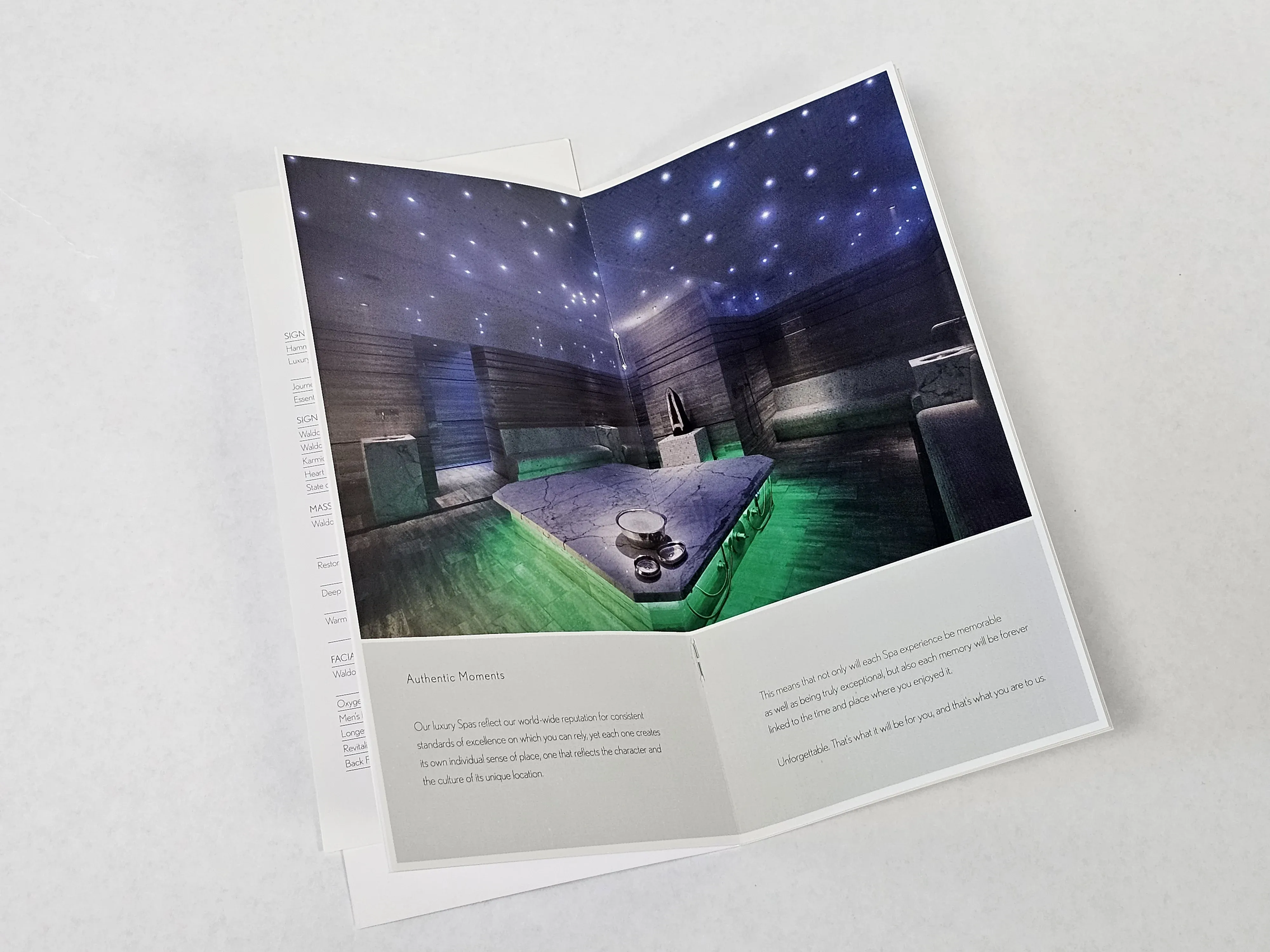
Saddle Stitch Binding
How it’s done: Saddle stitch binding involves folding pages in half and stapling along the fold line. The staples are visible on the spine of the book and clenched on the inside.
Best for: Brochures, catalogs, magazines, and small booklets
Pros:
Cons:
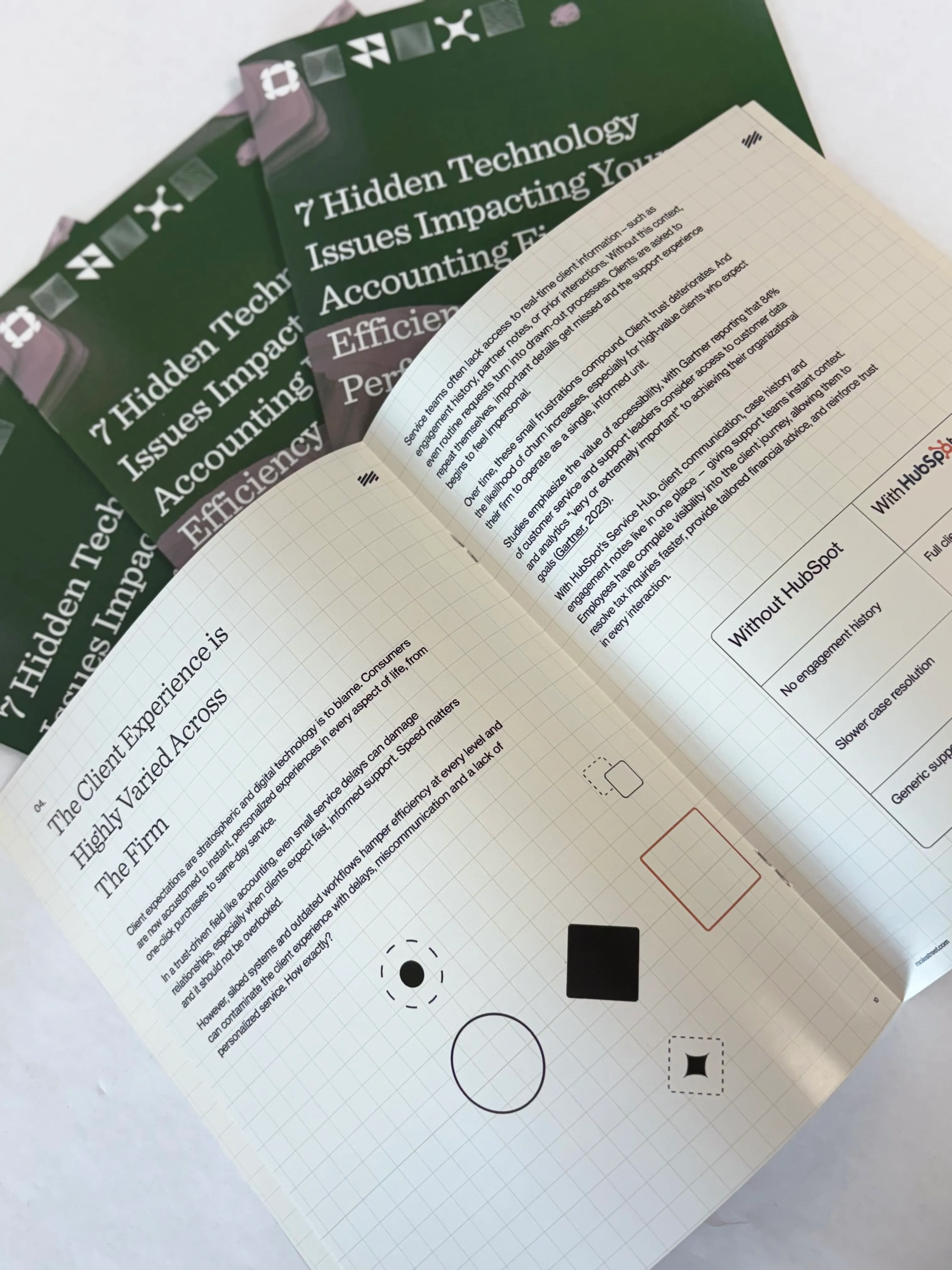
Tape Binding
How it’s done: With tape binding, the pages are held together with a strip of adhesive tape along the spine. This method can be combined with other bookbinding techniques.
Best for: Quick reports, booklets, and manuals
Pros:
Cons:
Comb Binding
How it’s done: Comb binding uses a plastic spine with flexible, curved teeth that fit into rectangular holes punched into the pages. Pages are threaded onto the teeth, and the comb is closed to secure them.
Best for: Reports, workbooks, manuals, presentations, and reference materials
Pros:
Cons:
See also: Plastic Grip Binding. Plastic grip binding works well for temporary documents without as many pages. It’s quick, inexpensive, and perfect for first drafts and small reports. If you need a fast, cost-efficient way to present smaller documents, try plastic grip binding.
Book Binding Options for Moderate Durability
These bookbinding and printing techniques are well-suited to big projects, presentations, and manuals that need a little extra support for longevity.
Perfect Bound Book Binding
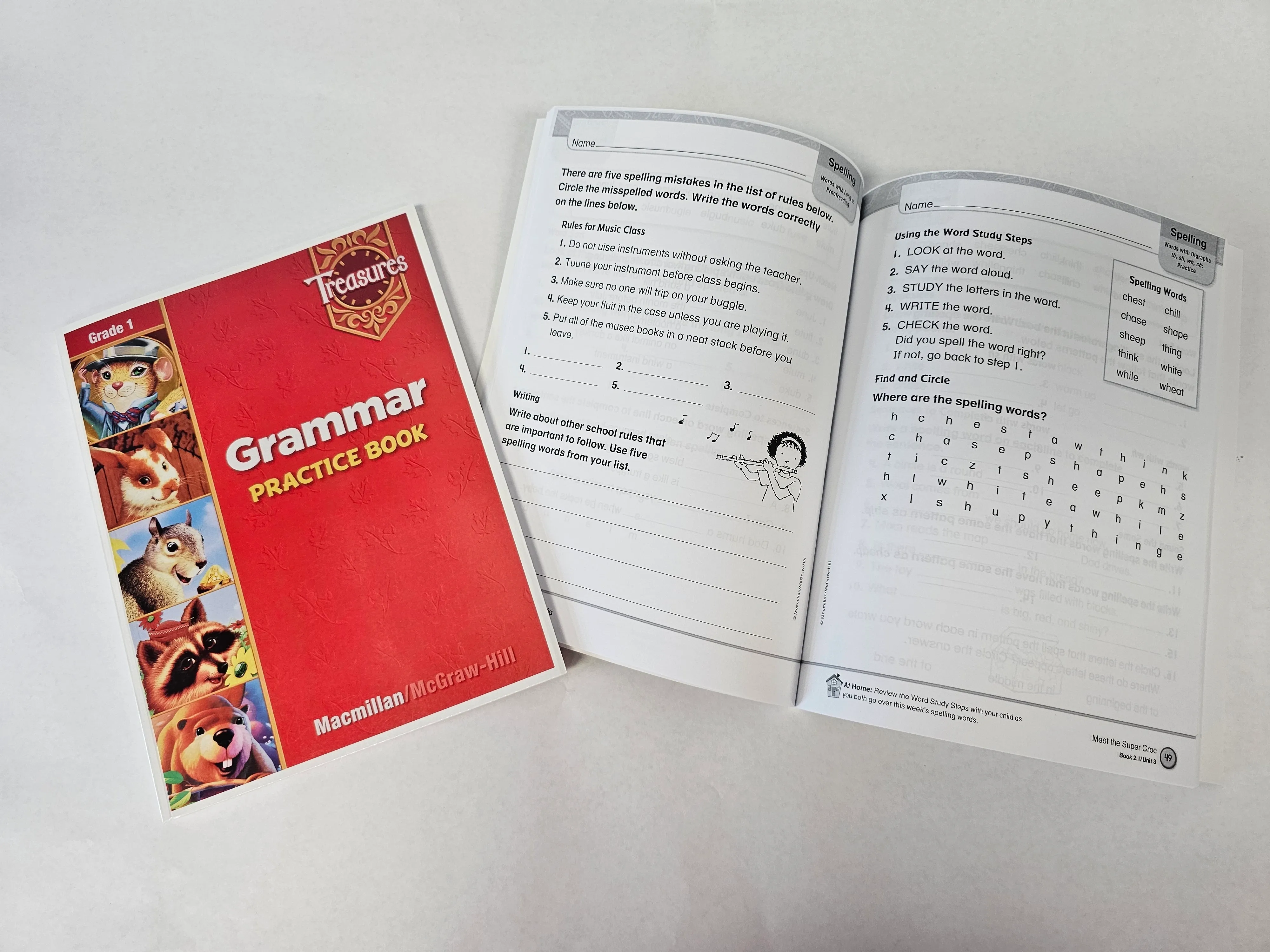
How it’s done: Perfect binding uses flexible and strong adhesive to secure pages with a wraparound cover. Its strong durability makes it an excellent choice for many page counts.
Best for: Large manuals, graphic novels, paperback books, and annual reports.
Pros:
Cons:
-
Lay flat limitations
-
Not refillable
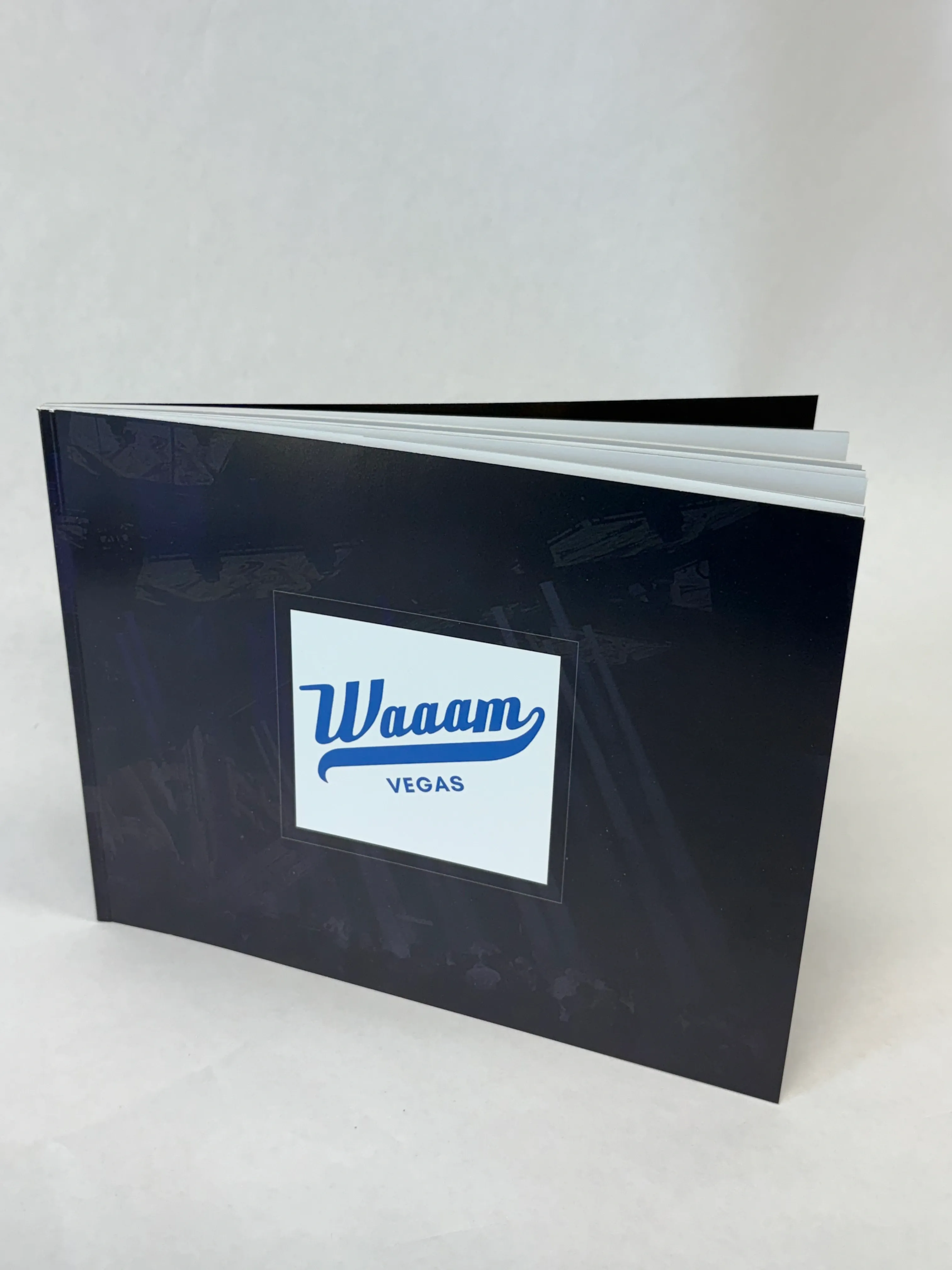
Spiral Bound Book Printing
How it’s done: For spiral binding, pages are punched with holes and then threaded onto a plastic spiral/coil.
Best for: Instruction books, coloring books, manuals, and calendars.
Pros:
-
Multiple color options
-
Books can open 360 degrees and lie flat
-
Great for books with tabs
-
Versatile for a variety of page counts
Cons:
Wire-O Binding
How it’s done: Wire-o binding is the sophisticated cousin to spiral binding. It punches holes through the pages and then binds them with a metal coil, which allows the book to open 360 degrees and lie flat.
Best for: Large manuals, graphic novels, paperback books, and annual reports
Pros:
Cons:
See also: Concealed Wire-O binding. This option offers all the flexibility of Wire-O binding but hides the binding with an aesthetically pleasing wraparound cover. It is great for professional reports, notebooks, and presentations.
Types of Book Binding for Maximum Durability
These options allow you to print your book with the same look and feel as a big-name publisher. Self-publishing can give you more creative control and flexibility for sharing your book. These options can help you create an aesthetically beautiful book that will last.
Rivet Binding
How it’s done: Rivet binding involves punching holes through pages and securing them with metal rivets (like a metal pin). The rivets are then flattened on both sides.
Best for: Documents, workbooks, and industrial manuals that need extra durability for long-term use
Pros:
Cons:
Side Sewn Binding
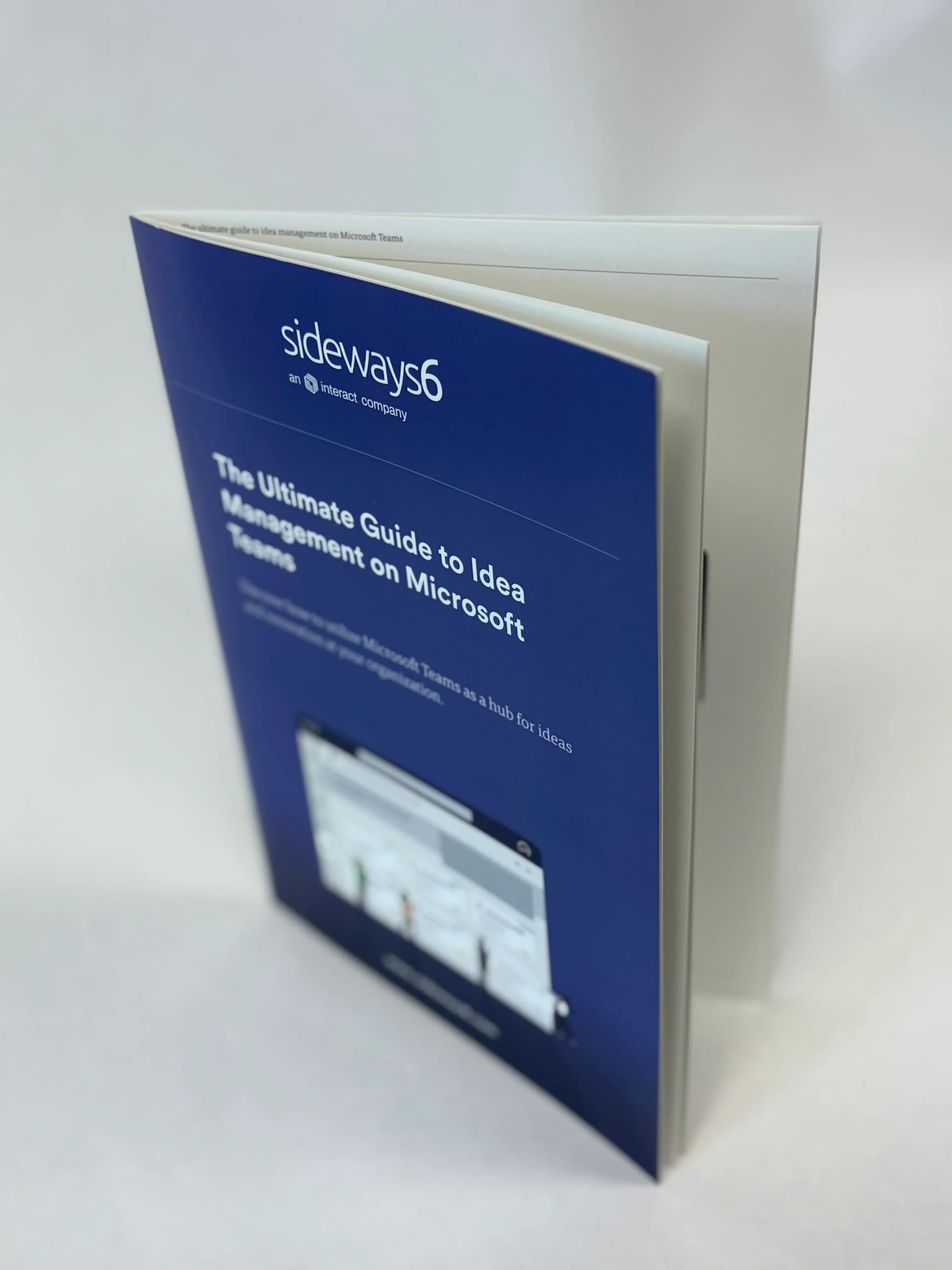
How it’s done: The pages are sewn together through the entire book block with side-sewn binding. The stitches will be visible along the side of the book.
Best for: Notebooks, journals, and art books
Pros:
Cons:
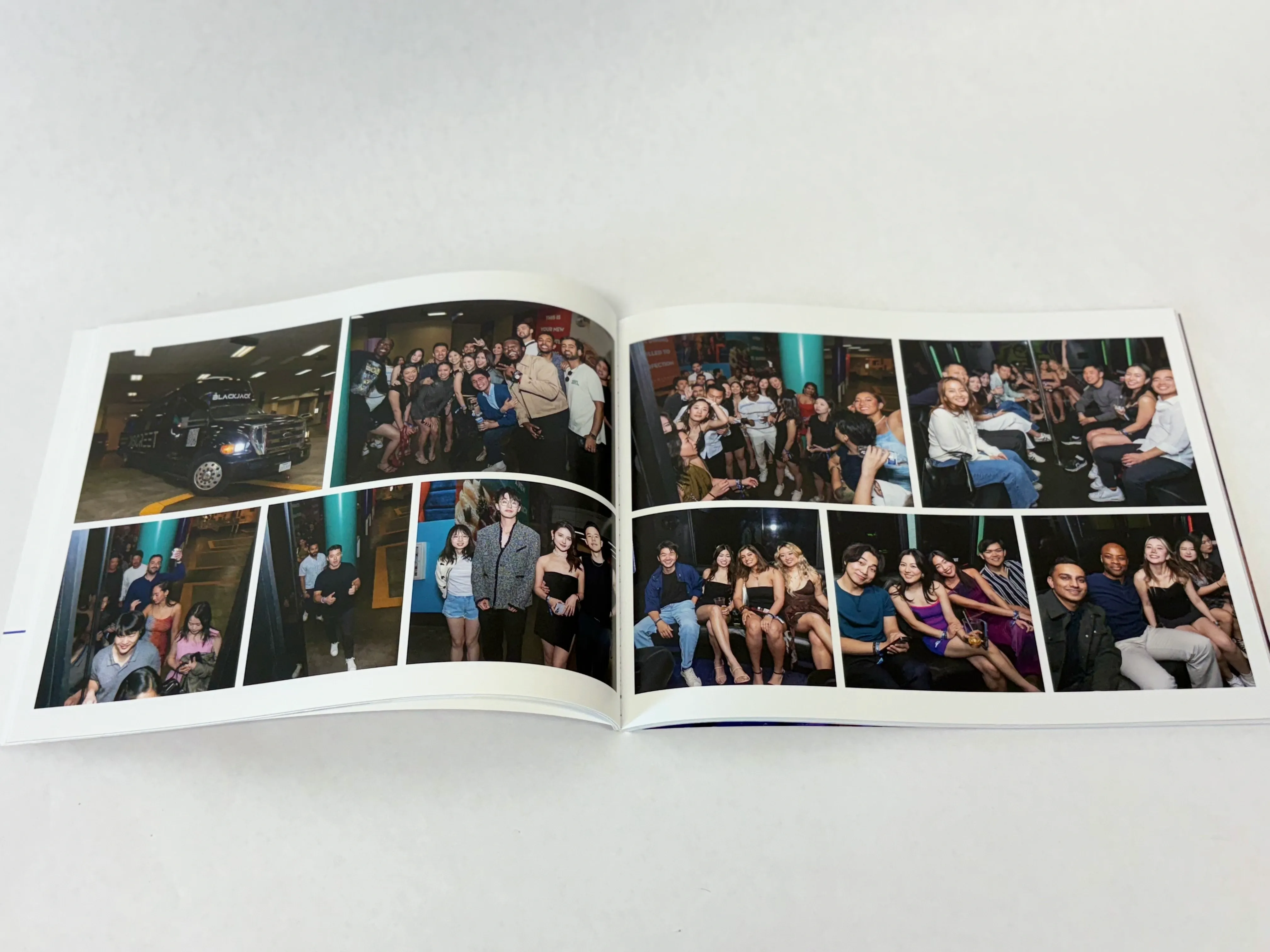
Screw and Post Binding
How it’s done: Pages are punched with holes and held together with metal screws and posts that are then tightened.
Best for: Photo books, portfolios, and presentations that might need updating
Pros:
Cons:
AlphaGraphics Las Vegas: Your Local Source for Book Binding
By working with the professionals at AlphaGraphic Las Vegas, you can confidently design and print a project you can be proud of. Our local team of marketing experts can help you put the final touches on your book so you can easily get it into readers' hands. From manuals and presentations to novels and coffee table books, our custom book printing and binding solutions offer a fast track to success.
Let us help you carry your project over the finish line. Reach out today for a free quote.