Also known as digital apparel printing or digital garment printing, is a method of printing designs directly onto fabrics using specialized inkjet printers.
Unlike traditional printing methods that involve screen printing or heat transfer, DTG printing allows for high-resolution, full-color designs to be printed directly onto garments, such as t-shirts, hoodies, and other textiles.
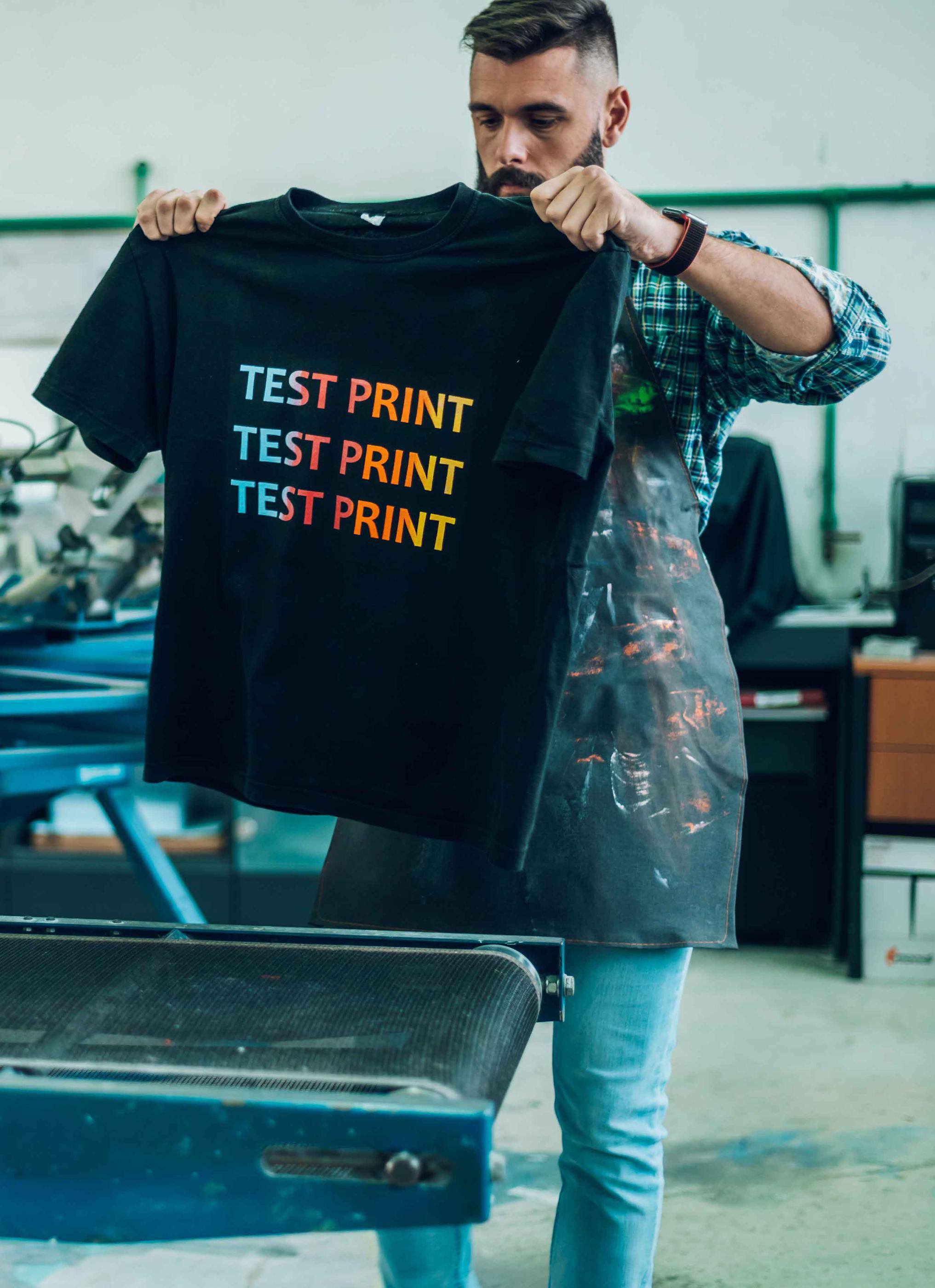
DTG printing offers several advantages over traditional printing methods. It allows for intricate and detailed designs, gradients, and unlimited colors without the need for color separation. It also enables printing on-demand, making it suitable for custom orders or small production runs. Additionally, DTG printing is environmentally friendly as it uses water-based inks that are free from harmful chemicals.
However, it's important to note that DTG printing may have limitations in terms of fabric compatibility. It works best on 100% cotton garments, as the ink is absorbed into the fibers for vibrant results. Polyester and other synthetic fabrics may not yield the same level of color vibrancy and wash durability. Additionally, DTG printing is generally more suitable for smaller designs and orders due to the time and cost involved in printing larger areas.
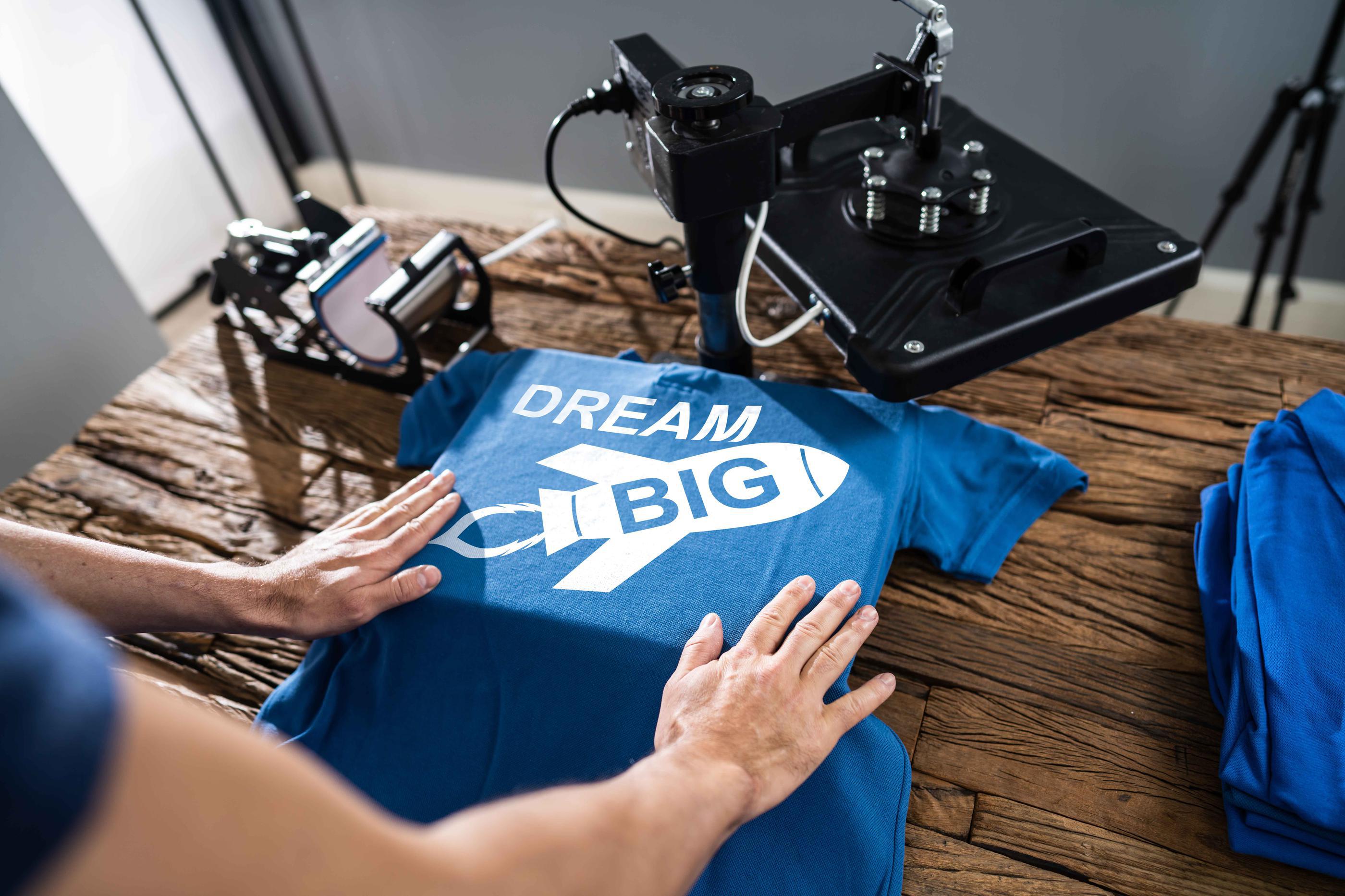
The process of heat transfers for creating custom apparel involves using heat and pressure to apply pre-printed designs onto garments.
It's essential to follow the specific instructions provided by the manufacturer of the heat transfer paper and the heat press machine to ensure optimal results. Additionally, practice and experimentation can help you achieve the desired outcome and understand the nuances of heat transfer printing for different fabrics and designs.
Explore Our Resource Center
Learn from our helpful guides, case studies & FAQs.
Get Inspired with our Blog
Learn how businesses like yours have found success in partnering with Alphagraphics
We are your premier marketing and printing solution - serving the Elkhart market. The success of your business is your biggest priority, and ours as well.
At AlphaGraphics Elkhart we focus on results and the return-on-investment of your marketing dollars. We are your local visual marketing and communication experts, who truly care about product quality, customer satisfaction and establishing long-term partnerships with our clients.